 العربية
 English
 हिन्दी
 Malay
Malay اُردُو
 বাংলা
বাংলা Français
 Português
 Italiano
 Nederlands
 Deutsch
 Русский
 Español
 中文
中文 ไทย
ไทย Türkçe
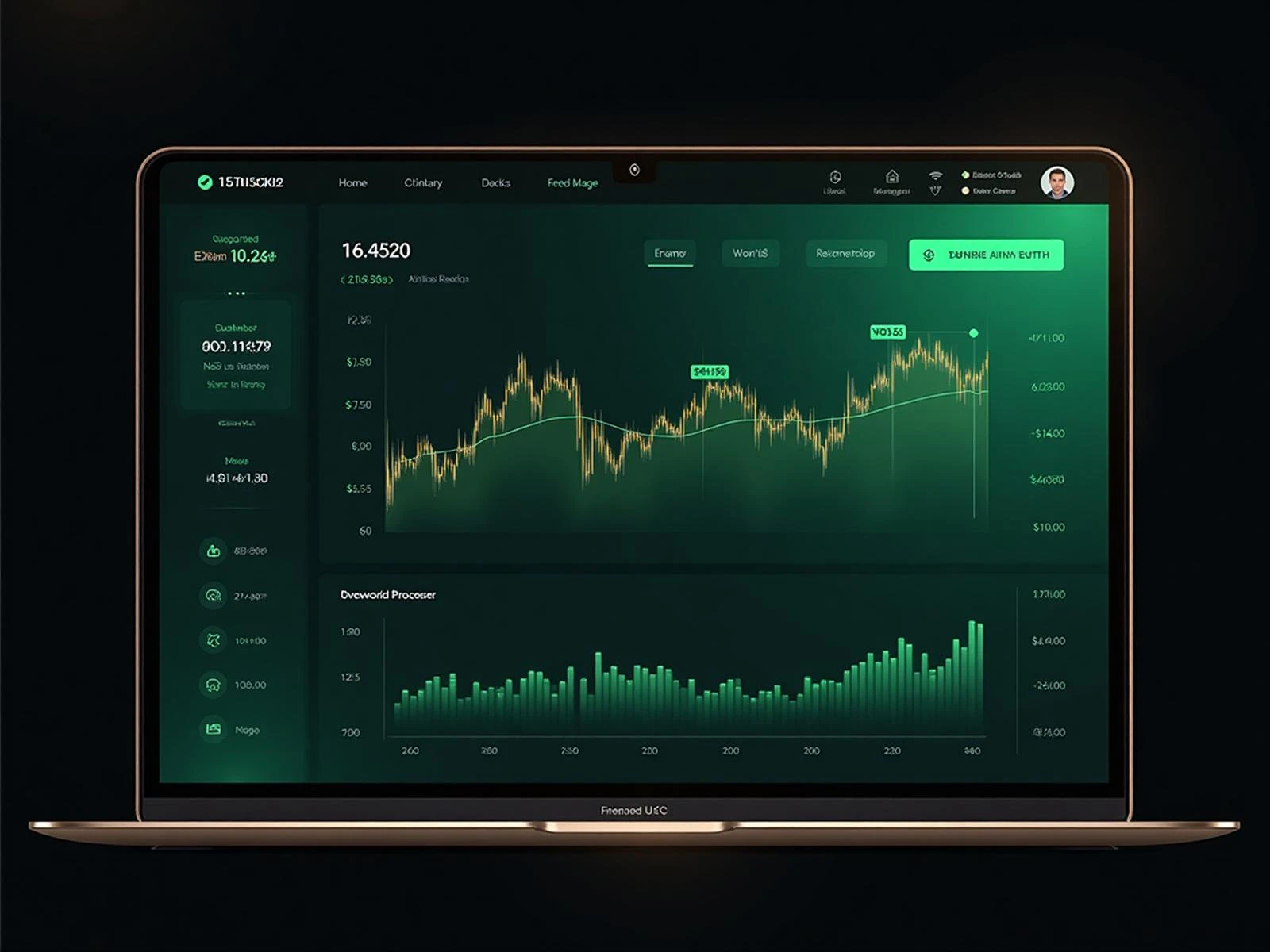
IB Management CRM

Added By BridgingFX
Product overview
Everything you need to know about this product
IB Management CRM
Managing Introducing Broker relationships becomes increasingly complex as a brokerage grows. More IBs mean more referred clients, more trading activity, more commission calculations, more hierarchy levels, and more opportunities for disputes if everything is handled manually. Our IB Management CRM provides a centralized infrastructure for managing the complete Introducing Broker lifecycle—from registration and referral tracking to commission calculation, hierarchy management, performance monitoring, and payouts.
The system gives brokerages complete visibility into their IB network while providing IBs with their own dedicated environment for monitoring referrals, trading activity, commission performance, and available earnings. Real-time data synchronization keeps information current, while automated calculation engines reduce the need for spreadsheets and manual reconciliation.
Multi-level IB structures can be configured to support master IBs, sub-IBs, and extended referral networks. Flexible commission models allow brokerages to create arrangements based on trading volume, lots, spreads, revenue, or hybrid structures, while configurable rank and incentive systems can reward high-performing partners.
Built with transparency and operational control in mind, the platform also provides detailed audit trails, controlled access to client information, dispute workflows, reporting tools, and centralized administration. This allows growing brokerages to manage increasingly sophisticated IB networks without creating unnecessary administrative overhead.
Centralized IB Management
The IB Management CRM provides one centralized environment for managing all Introducing Broker relationships.
Brokerage teams can manage IB profiles, referral structures, commission plans, trading activity, performance, payouts, and account relationships from a unified administrative interface.
IB Registration and Onboarding
New Introducing Brokers can be registered through structured onboarding workflows.
The system can capture relevant business information, contact details, referral arrangements, commission plans, required documentation, and approval status before granting access to the IB portal.
IB Approval Workflows
Brokerages can introduce configurable approval processes before an IB becomes active.
Applications can be reviewed by authorized staff, assigned to appropriate commission structures, and activated only after required checks and internal approvals have been completed.
IB Profile Management
Each IB can have a dedicated profile containing relevant information about their relationship with the brokerage.
Profiles can include referral statistics, assigned commission plans, hierarchy position, account relationships, performance metrics, payout information, and activity history.
Referral Tracking
Every referred client can be associated with the appropriate IB relationship.
The system can track referral sources and connect clients to the correct IB structure, creating a reliable foundation for commission calculations and performance reporting.
Real-Time Referral Monitoring
IBs and authorized brokerage users can monitor referral activity through dedicated dashboards.
This can include the number of referred clients, active accounts, trading activity, volume, and other approved performance indicators.
Multi-Level IB Hierarchies
The platform supports structured multi-level IB networks.
Brokerages can create relationships between master IBs, sub-IBs, and additional downstream partners, allowing complex referral organizations to be managed from a single system.
Automated Sub-IB Compensation
When a hierarchy includes multiple IB levels, the system can automatically calculate applicable compensation according to configured rules.
This reduces the need for manual calculations and helps ensure that commissions are distributed according to the approved hierarchy and commission structure.
Flexible Hierarchy Configuration
Different brokerage programs require different referral structures.
The CRM can support configurable hierarchy relationships, allowing brokerages to define how IBs are connected and how revenue or commissions should flow through those relationships.
Commission Management
Commission management is one of the most important functions of an IB platform.
The CRM provides centralized tools for defining commission structures, calculating earnings, reviewing performance, and maintaining a clear record of commission activity.
Per-Lot Commission Models
Brokerages can configure commission plans based on trading volume or lots.
The system can calculate eligible commissions according to predefined rates and applicable instruments, account groups, or IB levels.
Spread-Based Commission Models
For brokerages using spread-based compensation, commission calculations can be linked to the applicable spread or revenue structure.
This provides flexibility for businesses that prefer to reward IBs based on the trading economics generated by their referred clients.
Hybrid Commission Models
Some IB relationships require more sophisticated compensation arrangements.
The platform can support hybrid commission structures that combine multiple calculation methods according to configured business rules.
Instrument-Specific Commission Rules
Commission rates do not always need to be identical across every trading product.
Brokerages can configure different rules for supported instruments, asset classes, account groups, or trading conditions where required.
Account-Type Commission Structures
Different client account types may have different commission arrangements.
The CRM can associate IB commission plans with specific account groups, allowing brokerages to maintain differentiated compensation models.
Automated Commission Calculations
Manual commission calculations can become a major source of errors as an IB network grows.
The CRM automates commission calculations using configured rules and synchronized trading data, reducing spreadsheet dependency and improving consistency.
Real-Time Commission Tracking
IBs can monitor commission activity as eligible trading activity is recorded.
This provides greater visibility into earnings and reduces uncertainty around how commissions are being generated.
Commission Statements
The platform can generate detailed commission statements showing relevant trading activity, commission calculations, adjustments, and resulting earnings.
This creates a clearer record for both the brokerage and the IB.
Commission History
Historical commission information can be maintained within each IB's account.
Authorized users can review previous commission periods, adjustments, payouts, and calculation details when investigating historical activity.
Transparent Commission Breakdown
IBs can view relevant commission information without gaining access to sensitive client account details.
The system can present aggregated or appropriately permissioned activity information so partners understand how their commissions were generated.
Client Activity Visibility
IBs often need visibility into the performance of their referral network, but they should not automatically receive access to private customer information.
The CRM can provide controlled reporting that exposes approved trading activity, volume, and performance indicators while protecting sensitive client data.
Privacy-Controlled Reporting
Information available to an IB can be restricted according to predefined permissions.
This helps maintain separation between useful business intelligence and confidential customer or account information.
Trading Volume Tracking
Trading volume is a core performance indicator for many IB programs.
The CRM can monitor trading activity across referred accounts and aggregate relevant volume information for commission and performance analysis.
Lot-Based Volume Reporting
Where commissions are based on lots, the system can calculate and present eligible trading volume according to configured rules.
This gives both brokerage teams and IBs a clearer understanding of the activity contributing to their compensation.
Revenue and Performance Tracking
Brokerages can evaluate IB performance using a broader set of metrics beyond referral counts.
The platform can support tracking of trading volume, generated revenue, active clients, commission costs, retention, and other relevant indicators.
IB Performance Dashboard
Each IB can receive a dedicated dashboard presenting their approved performance information.
Key metrics can include referred clients, active traders, trading volume, commissions, rankings, performance trends, and payout information.
Brokerage IB Dashboard
Internal brokerage teams receive a broader administrative view of the entire IB network.
Management can compare IB performance, monitor commission expenses, review referral activity, identify high-performing partners, and investigate unusual activity.
IB Ranking System
A ranking system can help brokerages organize IBs based on measurable performance.
Ranks can be linked to referral volume, active clients, trading volume, revenue contribution, or other business-defined criteria.
Rank-Based Incentives
Top-performing IBs can automatically qualify for enhanced incentives according to configured rules.
For example, higher ranks may unlock improved commission rates, additional bonuses, or other approved benefits.
Automated Rank Upgrades
The system can monitor qualifying performance metrics and automatically update IB ranks when predefined requirements are met.
This eliminates the need for brokerage teams to manually review every IB's eligibility.
Rank Downgrade and Review Rules
Rank structures can also include rules for maintaining or losing a particular level.
This allows brokerages to design more balanced incentive programs based on sustained performance rather than one-time activity.
IB Bonus Management
Beyond standard commissions, brokerages may want to offer performance-based bonuses.
The CRM can support configurable bonus structures based on selected referral, trading, or revenue criteria.
Promotional IB Campaigns
Special commission campaigns can be configured for selected IBs, regions, account groups, or promotional periods.
This provides brokerages with greater flexibility when launching short-term or strategic partner incentives.
Payout Management
Commission tracking becomes significantly more useful when connected to structured payout workflows.
The platform can maintain payout requests, approval statuses, payment records, adjustments, and historical payout information within the same environment.
IB Withdrawal Requests
IBs can submit payout or commission withdrawal requests through their dedicated portal where this functionality is enabled.
Requests can then be reviewed and processed according to the brokerage's internal approval procedures.
Payout Approval Workflows
Brokerages can introduce multi-step approval processes for IB payouts.
This provides greater financial control and creates a structured record of who reviewed and approved each payment.
Payout Status Tracking
IBs can monitor the status of their commission payout requests.
Statuses such as pending, under review, approved, processing, completed, rejected, or cancelled can provide greater transparency throughout the payout process.
Automated Reconciliation
The system can compare trading activity, commission calculations, adjustments, and payouts to help identify inconsistencies.
This reduces manual reconciliation work for finance and operations teams.
Commission Adjustments
Authorized staff can make controlled commission adjustments when legitimate corrections are required.
Each adjustment can be recorded with appropriate details, creating a transparent history of changes.
Dispute Management
Commission disagreements can occur when multiple parties are involved in referrals and revenue sharing.
The CRM can provide structured dispute workflows so issues can be raised, investigated, documented, reviewed, and resolved through a controlled process.
Commission Dispute Resolution
Disputes can be connected to relevant IBs, clients, trading periods, transactions, or commission calculations.
This gives internal teams the context needed to investigate issues rather than relying on disconnected messages or spreadsheets.
Dispute Documentation
Relevant notes, supporting information, decisions, and resolution details can be recorded within the dispute workflow.
This creates a clear historical record of how an issue was handled.
Audit Trails
Every important commission and IB-management action can be recorded through detailed audit trails.
This can include changes to commission rules, IB hierarchy relationships, adjustments, approvals, payouts, and other administrative activities.
Commission Calculation Auditability
When a commission is questioned, authorized users can review the underlying calculation information and applicable rules.
This makes commission management more transparent and easier to investigate.
Historical Rule Tracking
Commission structures can change over time.
The platform can maintain relevant historical records so authorized teams can understand which rules were applicable during a particular commission period.
Client-to-IB Relationship Management
The CRM maintains the relationship between referred customers and their corresponding IBs.
This helps ensure that eligible trading activity is associated with the correct referral structure.
IB Client Portfolio View
IBs can access an approved overview of their referral portfolio.
Depending on permissions, this can include client counts, active accounts, trading volume, performance indicators, and other aggregated information.
Client Retention Monitoring
Referral performance is not only about acquiring clients.
The platform can help brokerages monitor active versus inactive referrals and identify changes in IB-generated client activity over time.
IB Acquisition Analytics
Management can analyze where new referred clients are coming from and how different IBs perform as acquisition partners.
This can help brokerages identify the referral relationships producing the strongest business outcomes.
Geographic IB Management
For brokerages operating across multiple markets, IB relationships can be organized by geography.
Regions, countries, territories, or market segments can be incorporated into reporting and commission structures where appropriate.
Multi-Currency Commission Support
International IB programs may operate across different currencies.
The system can support multi-currency commission reporting and calculations according to the configured financial and reporting requirements.
Automated Notifications
The CRM can send notifications for important IB events.
Examples may include new referrals, commission updates, payout approvals, rank changes, dispute status updates, and other configured events.
IB Portal
Introducing Brokers can receive access to a dedicated portal where they can manage their relationship with the brokerage.
The portal can provide access to approved performance information, referral tools, commission reports, payout functionality, and other partner resources.
Referral Link Management
The platform can generate and manage referral links or identifiers associated with individual IBs.
These links can help attribute new registrations and maintain accurate referral relationships.
Referral Campaign Tracking
Different referral campaigns can be assigned separate tracking identifiers.
This allows brokerages to compare the performance of different acquisition campaigns or promotional initiatives.
Affiliate and IB Integration
For businesses operating both affiliate and IB programs, the CRM can be integrated into broader partner-management infrastructure.
This can help centralize referral attribution and partner performance information.
CRM Integration
The IB Management CRM can connect with the broader brokerage CRM to synchronize relevant customer and partner information.
This creates a more connected environment between client management, sales, onboarding, and IB operations.
Trading Platform Integration
Trading data can be synchronized from supported trading platforms and infrastructure.
This provides the activity information required for volume tracking, commission calculations, performance reporting, and IB analytics.
Payment System Integration
Where required, commission payout workflows can be connected to supported payment infrastructure.
This can help streamline the movement from approved commission balances to payment processing.
Risk and Compliance Integration
IB programs may need to operate within specific internal risk and compliance requirements.
The CRM can be integrated with relevant KYC, compliance, monitoring, and account-management systems to support controlled IB operations.
Role-Based Access Control
Different teams require different levels of access.
Administrators, finance teams, compliance staff, account managers, IBs, and other users can receive permissions appropriate to their responsibilities.
Sensitive Data Protection
IB visibility can be carefully separated from private customer information.
The system can use permission-based access and aggregated reporting to provide useful business intelligence without unnecessarily exposing sensitive account details.
Automated Reporting
The platform can generate scheduled reports covering IB performance, referral activity, trading volume, commissions, payouts, and other selected metrics.
This reduces repetitive manual reporting work.
IB Performance Analytics
Historical data can be used to identify performance trends across the IB network.
Management can evaluate which partners are growing, which are generating consistent trading activity, and where additional engagement may be useful.
Commission Cost Analysis
Brokerages can monitor commission expenses against the revenue or trading activity generated through IB relationships.
This provides management with greater visibility into the economics of different partner programs.
Top IB Identification
Performance dashboards can highlight high-performing IBs based on configurable metrics.
This can help management recognize valuable partners and prioritize relationship management efforts.
Underperforming IB Monitoring
The same analytics can identify declining or inactive IB relationships.
Management can use these insights to determine whether additional support, revised incentives, or strategic intervention may be appropriate.
Automated IB Lifecycle Management
From onboarding through active referral management and eventual account closure, the platform can maintain a structured IB lifecycle.
This creates consistent processes across the entire partner relationship.
Centralized Administration
Brokerage teams can manage IB structures, commission plans, ranks, payouts, disputes, reports, and permissions from a centralized administrative environment.
This reduces the need to operate multiple disconnected tools.
Operational Efficiency
Automating commission calculations, referral tracking, hierarchy management, reporting, and payout workflows can significantly reduce repetitive administrative work.
Teams can spend more time managing valuable partnerships instead of maintaining spreadsheets.
Scalable IB Infrastructure
As a brokerage expands, its IB network can grow from a handful of partners to thousands of referral relationships.
The CRM can be designed with scalable architecture to support growing numbers of IBs, referred accounts, transactions, commission records, and reporting requirements.
Built for Modern Brokerage Operations
The IB Management CRM can serve as a dedicated partner-management layer within a larger brokerage ecosystem.
By connecting IB relationships with CRM, trading, payment, reporting, compliance, and account systems, brokerages can create a more unified operational environment.
Build a More Transparent IB Program
A successful IB program depends on trust. Partners need confidence that referrals are attributed correctly, commissions are calculated according to agreed rules, and payouts are documented clearly.
The IB Management CRM creates the infrastructure needed to make those processes more transparent and easier to manage.
Reduce Commission Disputes
Automated calculations, structured commission rules, detailed transaction records, and audit trails create a stronger foundation for resolving questions before they become prolonged disputes.
Both brokerages and IBs can work from the same underlying records and approved calculation logic.
Create Stronger IB Relationships
When IBs can clearly understand their referrals, trading activity, commissions, rankings, and payouts, the relationship with the brokerage becomes easier to manage.
Greater transparency can also create a stronger foundation for long-term partner engagement.
Turn IB Management Into a Scalable Growth Engine
An IB program should not become more difficult to operate simply because the brokerage is growing.
Our IB Management CRM provides the technology infrastructure needed to manage referral relationships, multi-level hierarchies, automated compensation, performance incentives, reporting, payouts, and disputes from one centralized environment.
From the first IB registration through ongoing referral activity and commission settlement, every important stage can be connected through structured workflows and real-time data.
Manage more IBs. Track every referral. Automate commission calculations. Support multi-level hierarchies, reward high-performing partners, protect sensitive client information, and maintain complete visibility into your partner network—all through an IB Management CRM designed for transparent, efficient, and scalable brokerage operations.
Product description
Learn more about product features and benefits
IB Management CRM
Managing Introducing Broker relationships becomes increasingly complex as a brokerage grows. More IBs mean more referred clients, more trading activity, more commission calculations, more hierarchy levels, and more opportunities for disputes if everything is handled manually. Our IB Management CRM provides a centralized infrastructure for managing the complete Introducing Broker lifecycle—from registration and referral tracking to commission calculation, hierarchy management, performance monitoring, and payouts.
The system gives brokerages complete visibility into their IB network while providing IBs with their own dedicated environment for monitoring referrals, trading activity, commission performance, and available earnings. Real-time data synchronization keeps information current, while automated calculation engines reduce the need for spreadsheets and manual reconciliation.
Multi-level IB structures can be configured to support master IBs, sub-IBs, and extended referral networks. Flexible commission models allow brokerages to create arrangements based on trading volume, lots, spreads, revenue, or hybrid structures, while configurable rank and incentive systems can reward high-performing partners.
Built with transparency and operational control in mind, the platform also provides detailed audit trails, controlled access to client information, dispute workflows, reporting tools, and centralized administration. This allows growing brokerages to manage increasingly sophisticated IB networks without creating unnecessary administrative overhead.
Centralized IB Management
The IB Management CRM provides one centralized environment for managing all Introducing Broker relationships.
Brokerage teams can manage IB profiles, referral structures, commission plans, trading activity, performance, payouts, and account relationships from a unified administrative interface.
IB Registration and Onboarding
New Introducing Brokers can be registered through structured onboarding workflows.
The system can capture relevant business information, contact details, referral arrangements, commission plans, required documentation, and approval status before granting access to the IB portal.
IB Approval Workflows
Brokerages can introduce configurable approval processes before an IB becomes active.
Applications can be reviewed by authorized staff, assigned to appropriate commission structures, and activated only after required checks and internal approvals have been completed.
IB Profile Management
Each IB can have a dedicated profile containing relevant information about their relationship with the brokerage.
Profiles can include referral statistics, assigned commission plans, hierarchy position, account relationships, performance metrics, payout information, and activity history.
Referral Tracking
Every referred client can be associated with the appropriate IB relationship.
The system can track referral sources and connect clients to the correct IB structure, creating a reliable foundation for commission calculations and performance reporting.
Real-Time Referral Monitoring
IBs and authorized brokerage users can monitor referral activity through dedicated dashboards.
This can include the number of referred clients, active accounts, trading activity, volume, and other approved performance indicators.
Multi-Level IB Hierarchies
The platform supports structured multi-level IB networks.
Brokerages can create relationships between master IBs, sub-IBs, and additional downstream partners, allowing complex referral organizations to be managed from a single system.
Automated Sub-IB Compensation
When a hierarchy includes multiple IB levels, the system can automatically calculate applicable compensation according to configured rules.
This reduces the need for manual calculations and helps ensure that commissions are distributed according to the approved hierarchy and commission structure.
Flexible Hierarchy Configuration
Different brokerage programs require different referral structures.
The CRM can support configurable hierarchy relationships, allowing brokerages to define how IBs are connected and how revenue or commissions should flow through those relationships.
Commission Management
Commission management is one of the most important functions of an IB platform.
The CRM provides centralized tools for defining commission structures, calculating earnings, reviewing performance, and maintaining a clear record of commission activity.
Per-Lot Commission Models
Brokerages can configure commission plans based on trading volume or lots.
The system can calculate eligible commissions according to predefined rates and applicable instruments, account groups, or IB levels.
Spread-Based Commission Models
For brokerages using spread-based compensation, commission calculations can be linked to the applicable spread or revenue structure.
This provides flexibility for businesses that prefer to reward IBs based on the trading economics generated by their referred clients.
Hybrid Commission Models
Some IB relationships require more sophisticated compensation arrangements.
The platform can support hybrid commission structures that combine multiple calculation methods according to configured business rules.
Instrument-Specific Commission Rules
Commission rates do not always need to be identical across every trading product.
Brokerages can configure different rules for supported instruments, asset classes, account groups, or trading conditions where required.
Account-Type Commission Structures
Different client account types may have different commission arrangements.
The CRM can associate IB commission plans with specific account groups, allowing brokerages to maintain differentiated compensation models.
Automated Commission Calculations
Manual commission calculations can become a major source of errors as an IB network grows.
The CRM automates commission calculations using configured rules and synchronized trading data, reducing spreadsheet dependency and improving consistency.
Real-Time Commission Tracking
IBs can monitor commission activity as eligible trading activity is recorded.
This provides greater visibility into earnings and reduces uncertainty around how commissions are being generated.
Commission Statements
The platform can generate detailed commission statements showing relevant trading activity, commission calculations, adjustments, and resulting earnings.
This creates a clearer record for both the brokerage and the IB.
Commission History
Historical commission information can be maintained within each IB's account.
Authorized users can review previous commission periods, adjustments, payouts, and calculation details when investigating historical activity.
Transparent Commission Breakdown
IBs can view relevant commission information without gaining access to sensitive client account details.
The system can present aggregated or appropriately permissioned activity information so partners understand how their commissions were generated.
Client Activity Visibility
IBs often need visibility into the performance of their referral network, but they should not automatically receive access to private customer information.
The CRM can provide controlled reporting that exposes approved trading activity, volume, and performance indicators while protecting sensitive client data.
Privacy-Controlled Reporting
Information available to an IB can be restricted according to predefined permissions.
This helps maintain separation between useful business intelligence and confidential customer or account information.
Trading Volume Tracking
Trading volume is a core performance indicator for many IB programs.
The CRM can monitor trading activity across referred accounts and aggregate relevant volume information for commission and performance analysis.
Lot-Based Volume Reporting
Where commissions are based on lots, the system can calculate and present eligible trading volume according to configured rules.
This gives both brokerage teams and IBs a clearer understanding of the activity contributing to their compensation.
Revenue and Performance Tracking
Brokerages can evaluate IB performance using a broader set of metrics beyond referral counts.
The platform can support tracking of trading volume, generated revenue, active clients, commission costs, retention, and other relevant indicators.
IB Performance Dashboard
Each IB can receive a dedicated dashboard presenting their approved performance information.
Key metrics can include referred clients, active traders, trading volume, commissions, rankings, performance trends, and payout information.
Brokerage IB Dashboard
Internal brokerage teams receive a broader administrative view of the entire IB network.
Management can compare IB performance, monitor commission expenses, review referral activity, identify high-performing partners, and investigate unusual activity.
IB Ranking System
A ranking system can help brokerages organize IBs based on measurable performance.
Ranks can be linked to referral volume, active clients, trading volume, revenue contribution, or other business-defined criteria.
Rank-Based Incentives
Top-performing IBs can automatically qualify for enhanced incentives according to configured rules.
For example, higher ranks may unlock improved commission rates, additional bonuses, or other approved benefits.
Automated Rank Upgrades
The system can monitor qualifying performance metrics and automatically update IB ranks when predefined requirements are met.
This eliminates the need for brokerage teams to manually review every IB's eligibility.
Rank Downgrade and Review Rules
Rank structures can also include rules for maintaining or losing a particular level.
This allows brokerages to design more balanced incentive programs based on sustained performance rather than one-time activity.
IB Bonus Management
Beyond standard commissions, brokerages may want to offer performance-based bonuses.
The CRM can support configurable bonus structures based on selected referral, trading, or revenue criteria.
Promotional IB Campaigns
Special commission campaigns can be configured for selected IBs, regions, account groups, or promotional periods.
This provides brokerages with greater flexibility when launching short-term or strategic partner incentives.
Payout Management
Commission tracking becomes significantly more useful when connected to structured payout workflows.
The platform can maintain payout requests, approval statuses, payment records, adjustments, and historical payout information within the same environment.
IB Withdrawal Requests
IBs can submit payout or commission withdrawal requests through their dedicated portal where this functionality is enabled.
Requests can then be reviewed and processed according to the brokerage's internal approval procedures.
Payout Approval Workflows
Brokerages can introduce multi-step approval processes for IB payouts.
This provides greater financial control and creates a structured record of who reviewed and approved each payment.
Payout Status Tracking
IBs can monitor the status of their commission payout requests.
Statuses such as pending, under review, approved, processing, completed, rejected, or cancelled can provide greater transparency throughout the payout process.
Automated Reconciliation
The system can compare trading activity, commission calculations, adjustments, and payouts to help identify inconsistencies.
This reduces manual reconciliation work for finance and operations teams.
Commission Adjustments
Authorized staff can make controlled commission adjustments when legitimate corrections are required.
Each adjustment can be recorded with appropriate details, creating a transparent history of changes.
Dispute Management
Commission disagreements can occur when multiple parties are involved in referrals and revenue sharing.
The CRM can provide structured dispute workflows so issues can be raised, investigated, documented, reviewed, and resolved through a controlled process.
Commission Dispute Resolution
Disputes can be connected to relevant IBs, clients, trading periods, transactions, or commission calculations.
This gives internal teams the context needed to investigate issues rather than relying on disconnected messages or spreadsheets.
Dispute Documentation
Relevant notes, supporting information, decisions, and resolution details can be recorded within the dispute workflow.
This creates a clear historical record of how an issue was handled.
Audit Trails
Every important commission and IB-management action can be recorded through detailed audit trails.
This can include changes to commission rules, IB hierarchy relationships, adjustments, approvals, payouts, and other administrative activities.
Commission Calculation Auditability
When a commission is questioned, authorized users can review the underlying calculation information and applicable rules.
This makes commission management more transparent and easier to investigate.
Historical Rule Tracking
Commission structures can change over time.
The platform can maintain relevant historical records so authorized teams can understand which rules were applicable during a particular commission period.
Client-to-IB Relationship Management
The CRM maintains the relationship between referred customers and their corresponding IBs.
This helps ensure that eligible trading activity is associated with the correct referral structure.
IB Client Portfolio View
IBs can access an approved overview of their referral portfolio.
Depending on permissions, this can include client counts, active accounts, trading volume, performance indicators, and other aggregated information.
Client Retention Monitoring
Referral performance is not only about acquiring clients.
The platform can help brokerages monitor active versus inactive referrals and identify changes in IB-generated client activity over time.
IB Acquisition Analytics
Management can analyze where new referred clients are coming from and how different IBs perform as acquisition partners.
This can help brokerages identify the referral relationships producing the strongest business outcomes.
Geographic IB Management
For brokerages operating across multiple markets, IB relationships can be organized by geography.
Regions, countries, territories, or market segments can be incorporated into reporting and commission structures where appropriate.
Multi-Currency Commission Support
International IB programs may operate across different currencies.
The system can support multi-currency commission reporting and calculations according to the configured financial and reporting requirements.
Automated Notifications
The CRM can send notifications for important IB events.
Examples may include new referrals, commission updates, payout approvals, rank changes, dispute status updates, and other configured events.
IB Portal
Introducing Brokers can receive access to a dedicated portal where they can manage their relationship with the brokerage.
The portal can provide access to approved performance information, referral tools, commission reports, payout functionality, and other partner resources.
Referral Link Management
The platform can generate and manage referral links or identifiers associated with individual IBs.
These links can help attribute new registrations and maintain accurate referral relationships.
Referral Campaign Tracking
Different referral campaigns can be assigned separate tracking identifiers.
This allows brokerages to compare the performance of different acquisition campaigns or promotional initiatives.
Affiliate and IB Integration
For businesses operating both affiliate and IB programs, the CRM can be integrated into broader partner-management infrastructure.
This can help centralize referral attribution and partner performance information.
CRM Integration
The IB Management CRM can connect with the broader brokerage CRM to synchronize relevant customer and partner information.
This creates a more connected environment between client management, sales, onboarding, and IB operations.
Trading Platform Integration
Trading data can be synchronized from supported trading platforms and infrastructure.
This provides the activity information required for volume tracking, commission calculations, performance reporting, and IB analytics.
Payment System Integration
Where required, commission payout workflows can be connected to supported payment infrastructure.
This can help streamline the movement from approved commission balances to payment processing.
Risk and Compliance Integration
IB programs may need to operate within specific internal risk and compliance requirements.
The CRM can be integrated with relevant KYC, compliance, monitoring, and account-management systems to support controlled IB operations.
Role-Based Access Control
Different teams require different levels of access.
Administrators, finance teams, compliance staff, account managers, IBs, and other users can receive permissions appropriate to their responsibilities.
Sensitive Data Protection
IB visibility can be carefully separated from private customer information.
The system can use permission-based access and aggregated reporting to provide useful business intelligence without unnecessarily exposing sensitive account details.
Automated Reporting
The platform can generate scheduled reports covering IB performance, referral activity, trading volume, commissions, payouts, and other selected metrics.
This reduces repetitive manual reporting work.
IB Performance Analytics
Historical data can be used to identify performance trends across the IB network.
Management can evaluate which partners are growing, which are generating consistent trading activity, and where additional engagement may be useful.
Commission Cost Analysis
Brokerages can monitor commission expenses against the revenue or trading activity generated through IB relationships.
This provides management with greater visibility into the economics of different partner programs.
Top IB Identification
Performance dashboards can highlight high-performing IBs based on configurable metrics.
This can help management recognize valuable partners and prioritize relationship management efforts.
Underperforming IB Monitoring
The same analytics can identify declining or inactive IB relationships.
Management can use these insights to determine whether additional support, revised incentives, or strategic intervention may be appropriate.
Automated IB Lifecycle Management
From onboarding through active referral management and eventual account closure, the platform can maintain a structured IB lifecycle.
This creates consistent processes across the entire partner relationship.
Centralized Administration
Brokerage teams can manage IB structures, commission plans, ranks, payouts, disputes, reports, and permissions from a centralized administrative environment.
This reduces the need to operate multiple disconnected tools.
Operational Efficiency
Automating commission calculations, referral tracking, hierarchy management, reporting, and payout workflows can significantly reduce repetitive administrative work.
Teams can spend more time managing valuable partnerships instead of maintaining spreadsheets.
Scalable IB Infrastructure
As a brokerage expands, its IB network can grow from a handful of partners to thousands of referral relationships.
The CRM can be designed with scalable architecture to support growing numbers of IBs, referred accounts, transactions, commission records, and reporting requirements.
Built for Modern Brokerage Operations
The IB Management CRM can serve as a dedicated partner-management layer within a larger brokerage ecosystem.
By connecting IB relationships with CRM, trading, payment, reporting, compliance, and account systems, brokerages can create a more unified operational environment.
Build a More Transparent IB Program
A successful IB program depends on trust. Partners need confidence that referrals are attributed correctly, commissions are calculated according to agreed rules, and payouts are documented clearly.
The IB Management CRM creates the infrastructure needed to make those processes more transparent and easier to manage.
Reduce Commission Disputes
Automated calculations, structured commission rules, detailed transaction records, and audit trails create a stronger foundation for resolving questions before they become prolonged disputes.
Both brokerages and IBs can work from the same underlying records and approved calculation logic.
Create Stronger IB Relationships
When IBs can clearly understand their referrals, trading activity, commissions, rankings, and payouts, the relationship with the brokerage becomes easier to manage.
Greater transparency can also create a stronger foundation for long-term partner engagement.
Turn IB Management Into a Scalable Growth Engine
An IB program should not become more difficult to operate simply because the brokerage is growing.
Our IB Management CRM provides the technology infrastructure needed to manage referral relationships, multi-level hierarchies, automated compensation, performance incentives, reporting, payouts, and disputes from one centralized environment.
From the first IB registration through ongoing referral activity and commission settlement, every important stage can be connected through structured workflows and real-time data.
Manage more IBs. Track every referral. Automate commission calculations. Support multi-level hierarchies, reward high-performing partners, protect sensitive client information, and maintain complete visibility into your partner network—all through an IB Management CRM designed for transparent, efficient, and scalable brokerage operations.
Product specification
Quick product information

No review given yet!