العربية
 English
 हिन्दी
 Malay
Malay اُردُو
 বাংলা
বাংলা Français
 Português
 Italiano
 Nederlands
 Deutsch
 Русский
 Español
 中文
中文 ไทย
ไทย Türkçe

Forex CRM

Added By BridgingFX
Product overview
Everything you need to know about this product
Forex CRM
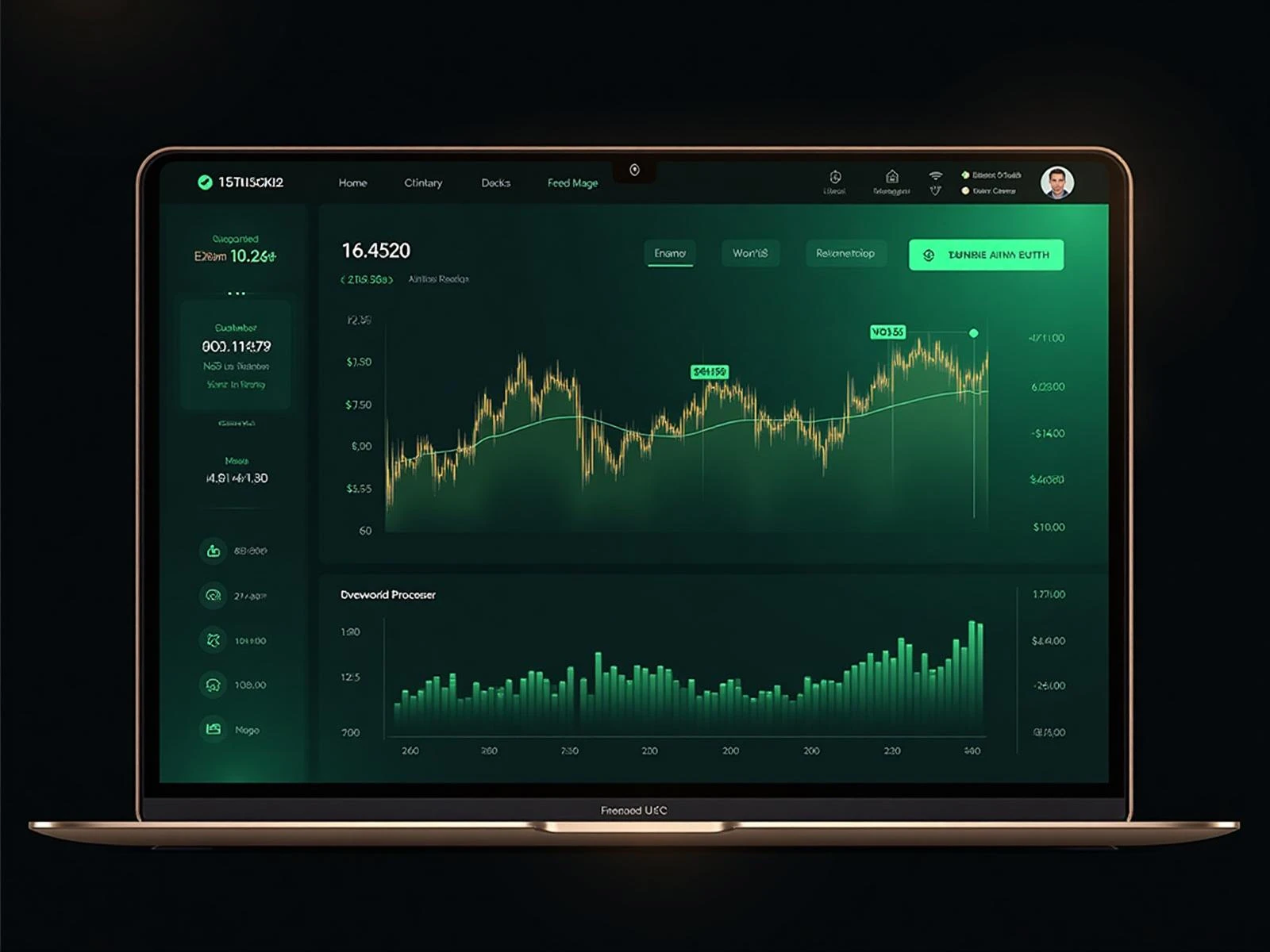
Give your brokerage the operational engine it needs to manage clients, trading activity, sales, partners, payments, compliance, and growth from one centralized platform. A purpose-built Forex CRM brings the essential workflows of a modern forex brokerage together into a structured, connected environment, helping your teams reduce manual work, improve visibility, and deliver a more consistent client experience.
Instead of managing client information across spreadsheets, separate lead-management tools, trading-platform interfaces, payment systems, and communication applications, a Forex CRM creates a unified operational layer where critical brokerage data can be managed and monitored from a single dashboard.
Designed for modern forex brokers, introducing brokers, affiliate-driven businesses, and multi-market operations, the platform can support the complete client lifecycle — from lead acquisition and registration through KYC, account creation, deposits, trading, withdrawals, partner relationships, and ongoing client management.
Complete Forex Brokerage Management
A brokerage requires more than a conventional customer relationship management system. It needs infrastructure that understands trading accounts, client onboarding, KYC, deposits, withdrawals, IB relationships, trading activity, commissions, and operational workflows.
The Forex CRM provides a centralized environment for managing these interconnected processes while giving different departments access to the information they need.
Sales teams can manage leads and prospects, compliance teams can review verification information, finance teams can monitor transactions, account managers can manage traders, and management can access business intelligence from a unified system.
This connected approach reduces information silos and helps your organization operate from a consistent source of truth.
Centralized Client Management
Create a complete profile for every client and maintain a structured record of their relationship with your brokerage.
Client profiles can bring together registration information, verification status, trading accounts, account activity, deposits, withdrawals, communication history, assigned representatives, partner relationships, and other relevant information.
Your teams can quickly understand a client's history without searching through multiple systems.
Centralized client management can help brokers:
- Maintain comprehensive client profiles
- Track onboarding progress
- Monitor account relationships
- View transaction history
- Review trading activity
- Track communication and support interactions
- Assign clients to sales representatives or account managers
- Segment clients based on configurable criteria
- Monitor client lifecycle stages
Lead Management and Sales CRM
Turn incoming prospects into organized sales opportunities with structured lead management.
The CRM can capture leads from different acquisition channels and organize them into configurable pipelines. Sales teams can track prospects through registration, qualification, follow-up, conversion, and onboarding stages.
Lead distribution rules can help assign prospects to the appropriate sales representatives, while sales activity tracking provides management with greater visibility into team performance.
Teams can monitor:
- New leads
- Lead sources
- Lead status
- Sales activities
- Follow-up requirements
- Conversion rates
- Sales representative performance
- Client acquisition trends
- Revenue opportunities
By connecting lead management with client onboarding and account information, brokers can create a smoother transition from prospect to active client.
Automated Client Onboarding
Simplify the process of bringing new clients into your brokerage.
Instead of relying on disconnected registration forms, email communication, spreadsheets, and manual account creation, the Forex CRM can organize onboarding into a structured workflow.
Clients can move through registration, personal-information collection, document submission, verification, account selection, and trading-account setup according to your brokerage's configured process.
Automated workflows can reduce administrative effort while giving internal teams clear visibility into each client's onboarding status.
KYC and Compliance Management
Compliance is an essential part of brokerage operations. The CRM provides a centralized environment for managing client verification information and compliance workflows.
KYC processes can be incorporated into the client onboarding journey so that verification status is visible to authorized teams before clients proceed through relevant account or funding stages.
Depending on configuration and integrations, brokers can manage:
- Identity verification workflows
- Document collection
- Verification status
- Compliance records
- Client risk information
- Review workflows
- Audit history
- Compliance-related notifications
This creates a more structured approach to client verification while helping teams maintain appropriate records.
MT4 and MT5 Integration
Connect your brokerage CRM with trading infrastructure to bring operational and trading information closer together.
Integration with MetaTrader 4 (MT4) and MetaTrader 5 (MT5) can provide access to relevant trading-account information and activity within the broader brokerage management environment.
Instead of relying solely on historical reports or manually transferring information between systems, authorized teams can work with connected trading data according to the capabilities of the configured integration.
This can help brokers monitor:
- Trading accounts
- Account status
- Trading activity
- Balance information
- Equity
- Orders and positions
- Trading performance
- Account relationships
The result is a more connected operational environment between the CRM and trading infrastructure.
Trading Account Management
Manage client trading accounts from a centralized interface.
The CRM can organize account relationships so teams can quickly identify which trading accounts belong to each client and review relevant account information.
Automated account-management workflows can help reduce repetitive administrative tasks involved in creating, updating, assigning, and monitoring trading accounts.
Brokers operating multiple account types or trading environments can structure account-management workflows around their specific business model.
Real-Time Trading Visibility
Brokerage teams need access to current information when making operational decisions.
Connected trading-platform data can provide greater visibility into ongoing client activity, allowing authorized users to monitor relevant trading information without depending entirely on manually prepared reports.
Real-time or near-real-time data availability depends on the configured platform integration and infrastructure, but the goal is straightforward: connect CRM operations with trading activity so teams can work with more timely information.
Multi-Level IB Management
Grow your brokerage through structured Introducing Broker relationships.
The Forex CRM can support multi-level IB structures, allowing brokers to manage partner relationships and organize clients according to their associated IB or affiliate hierarchy.
Instead of calculating partner relationships manually, the platform can centralize relevant IB information and provide visibility into partner performance.
IB management can include:
- IB registration
- Partner hierarchy
- Client assignment
- Master and sub-IB relationships
- Commission structures
- Performance monitoring
- Partner reporting
- Revenue-share configuration
- Commission history
This provides a stronger foundation for brokerages operating large and distributed partner networks.
Automated Commission Tracking
Managing commissions becomes increasingly complex as an IB network grows.
The CRM can automate commission-related workflows based on configured brokerage rules, helping reduce spreadsheet-based calculations and manual reconciliation.
Partner commissions can be tracked according to relevant trading activity, client relationships, commission structures, or revenue-sharing arrangements.
Management teams can gain greater visibility into:
- Commission generated
- Commission paid
- Partner performance
- Client-to-partner relationships
- Historical commission activity
- Revenue-sharing arrangements
Automation helps create a more transparent partner-management process while reducing repetitive administrative work.
Affiliate Management
Expand your acquisition strategy with structured affiliate management.
Affiliate relationships can be managed alongside client and sales data, helping brokerage teams understand which partners generate leads, registrations, active clients, and trading activity.
Affiliate performance information can help management identify productive acquisition channels and make better-informed decisions about partner programs.
Automated Deposits
Make funding workflows easier for clients and internal finance teams.
The Forex CRM can connect with supported payment gateways and financial infrastructure to organize deposit workflows within the broader client-management environment.
Depending on configuration, brokers can manage:
- Deposit requests
- Payment status
- Transaction records
- Payment methods
- Client wallets
- Transaction history
- Automated notifications
Connecting payment activity with client and trading-account information helps create a more complete view of the client's brokerage relationship.
Withdrawal Management
Provide a structured workflow for client withdrawal requests.
Withdrawal requests can be routed through configurable approval, review, compliance, and processing workflows. Authorized finance teams can monitor the status of requests and maintain transaction records.
This can help brokers establish more consistent financial operations while providing clients with clearer visibility into their requests.
Multi-Currency Support
International brokerages often serve clients using different currencies.
A configurable multi-currency environment can help brokers manage client balances, transactions, account information, and financial records across supported currencies.
This makes the platform suitable for businesses operating across multiple geographic markets and client segments.
Multi-Language Client Experience
Serve an international customer base with localized experiences.
Multi-language capabilities can help brokerages provide client-facing interfaces, communications, and workflows in the languages relevant to their target markets.
Localization can be configured around the brokerage's operating regions and customer requirements, helping create a more accessible experience for international clients.
Client Portal
Give traders a dedicated environment for managing their brokerage relationship.
A connected client portal can allow users to access relevant account information, complete onboarding tasks, submit documents, manage deposits and withdrawals, view trading information, and interact with available brokerage services.
The client experience can be structured around the services and account types offered by the brokerage.
Automated Notifications
Keep clients informed throughout their relationship with the brokerage.
Automated notifications can be triggered by configured events such as registration, verification updates, account creation, deposits, withdrawals, trading-related events, and other workflow milestones.
Notifications can reduce the need for manual communication while helping clients understand what is happening with their accounts.
CRM Workflow Automation
Every brokerage operates differently. The Forex CRM can therefore be configured around the workflows that matter to your organization.
Automation can help reduce repetitive tasks such as:
- Lead assignment
- Client onboarding
- KYC status updates
- Account creation
- Transaction notifications
- Follow-up reminders
- Partner commission processing
- Client segmentation
- Internal alerts
- Reporting workflows
The objective is to let technology handle repetitive operational processes while teams focus on higher-value activities.
Role-Based Access Control
A brokerage CRM contains sensitive client, financial, trading, and business information.
Role-based access allows organizations to define what different users and departments can access based on their responsibilities.
Sales representatives, compliance officers, finance teams, account managers, administrators, and management can work within controlled access environments.
Permissions can be structured around organizational responsibilities rather than providing every employee with unrestricted access.
Security and Data Protection
Protecting brokerage information is fundamental to a reliable CRM environment.
Security controls can include role-based permissions, authentication controls, access monitoring, audit trails, and encrypted data transmission or storage according to the configured infrastructure.
These controls help organizations establish a more structured security environment for managing sensitive operational and client information.
Audit Trails
Maintain greater visibility into important system activity.
Audit trails can help organizations understand which actions were performed, when they occurred, and which users were involved.
This can support internal oversight, operational accountability, compliance processes, and troubleshooting.
For brokerages operating across multiple departments, having a record of significant system activity can be particularly valuable.
Real-Time Analytics and Business Intelligence
Turn brokerage data into actionable operational insight.
Management dashboards can bring together information from sales, clients, trading activity, transactions, partners, and other operational areas.
Instead of waiting for manually prepared reports, decision-makers can access dashboards and analytics designed around the metrics that matter to their organization.
Analytics can cover areas such as:
- Lead generation
- Lead conversion
- Client acquisition
- Active clients
- Trading activity
- Deposits
- Withdrawals
- Revenue
- IB performance
- Affiliate performance
- Commission costs
- Client retention
- Sales-team performance
Client Segmentation
Not every client has the same value, behavior, or requirements.
Segmentation tools can help brokers organize clients according to configurable characteristics such as account type, trading activity, geography, acquisition source, deposit behavior, lifecycle stage, or partner relationship.
These segments can then support targeted communication, sales strategies, retention initiatives, and account-management processes.
Customer Retention and Engagement
Acquiring clients is only one part of brokerage growth. Maintaining long-term engagement is equally important.
The CRM can provide teams with visibility into client activity and lifecycle information that can support retention strategies.
Management can identify changes in client activity, segment customers, monitor engagement trends, and coordinate appropriate follow-up activities.
Marketing Integration
Connect marketing activity with CRM and client data.
Marketing teams can use lead and customer information to create more organized campaigns and understand how acquisition channels contribute to business growth.
Depending on the configured ecosystem, integrations can support email, SMS, WhatsApp, campaign management, lead capture, and other communication channels.
This helps create a more connected path from marketing acquisition to client conversion.
Communication Management
Centralize important client interactions across supported communication channels.
Communication records can help teams understand previous conversations and provide more consistent support.
Internal teams can coordinate around client issues without repeatedly asking customers to explain their history.
Support and Ticket Management
A modern brokerage needs an organized way to handle customer requests.
Support functionality can help teams manage client inquiries, assign issues to appropriate departments, track resolution progress, and maintain communication history.
This creates a more structured support environment as client volume increases.
Customizable Fields and Workflows
No two brokerages operate in exactly the same way.
The Forex CRM can be configured around your business requirements, including relevant fields, workflows, permissions, dashboards, client segments, and operational processes.
This flexibility allows the system to adapt to your brokerage instead of forcing your organization to completely redesign its operations around a rigid CRM.
Multi-Department Collaboration
A brokerage brings together sales, compliance, finance, support, operations, account management, and management teams.
A centralized CRM gives these departments access to shared information according to their permissions.
This reduces duplicated data entry and helps departments coordinate around the same client and business information.
Scalable Brokerage Infrastructure
Whether you're managing a growing startup brokerage or an established operation with a large international client base, the CRM should be capable of growing alongside the business.
A scalable architecture allows additional users, clients, trading accounts, partners, integrations, and operational modules to be introduced as business requirements evolve.
This makes the CRM suitable for brokerages at different stages of growth.
Multi-Brand and Multi-Market Operations
Brokerage groups may operate multiple brands, jurisdictions, account types, or customer segments.
A flexible CRM environment can support structured management of different business operations while maintaining centralized administrative visibility where appropriate.
This provides a foundation for organizations planning to expand into additional markets or launch additional brokerage brands.
Integration-Ready Architecture
Your CRM should not operate in isolation.
The platform can connect with the broader brokerage technology ecosystem through supported integrations, APIs, webhooks, payment providers, trading platforms, communication services, and other business systems.
This integration-ready approach makes it easier to build a connected technology stack rather than relying on isolated applications.
Reduce Manual Operations
Spreadsheets and disconnected tools may work during the early stages of a brokerage, but operational complexity increases rapidly as client and transaction volumes grow.
Automation helps replace repetitive manual processes with structured workflows.
This can reduce duplicate data entry, improve operational consistency, and allow employees to spend more time on sales, client relationships, compliance oversight, and strategic activities.
Improve Brokerage Visibility
A successful brokerage requires visibility across the entire business.
The Forex CRM brings together client, sales, trading, payment, partner, and operational information so management can understand what is happening across the organization.
With centralized dashboards and analytics, decision-makers can evaluate performance using current operational data rather than relying exclusively on disconnected reports.
Built for Forex Brokerages
This is not a generic CRM adapted for a financial-services company.
A purpose-built Forex CRM is designed around the unique operational requirements of the brokerage industry — including trading accounts, MT4 and MT5 connectivity, KYC, deposits, withdrawals, IB structures, affiliate relationships, commissions, client portals, and trading activity.
That industry-specific foundation makes it possible to connect customer management with the systems that actually run the brokerage.
From First Lead to Long-Term Client
The Forex CRM can support the complete customer lifecycle:
Lead → Registration → KYC → Approval → Trading Account → Deposit → Trading → Withdrawal → Retention → Partner Relationship
Every stage can be connected within the same operational environment.
This gives teams a clearer understanding of the customer journey and creates opportunities to automate processes that would otherwise require manual intervention.
Built to Scale With Your Brokerage
Your first hundred clients and your first hundred thousand clients will not require the same operational approach.
As your brokerage grows, the number of leads, trading accounts, transactions, partners, support requests, and compliance activities increases.
A scalable CRM provides the operational foundation required to manage that complexity while maintaining structured workflows and centralized visibility.
Turn Your CRM Into Brokerage Infrastructure
A Forex CRM should be more than a database of customer names and contact information.
It should connect the commercial, operational, financial, compliance, and trading sides of the brokerage into one coordinated environment.
With client management, KYC, lead management, MT4 and MT5 integration, IB and affiliate management, payment workflows, analytics, automation, security, and customizable operations, the Forex CRM provides the foundation for building a more connected and scalable brokerage.
The Operating System for Your Forex Brokerage
Give your sales team better visibility.
Give your compliance team structured workflows.
Give your finance team better transaction management.
Give your account managers connected client information.
Give your partners transparent commission tracking.
Give management real-time business intelligence.
And give your clients a smoother digital brokerage experience.
The Forex CRM brings the essential components of brokerage operations together — helping you automate workflows, connect trading activity, manage clients, control access, understand performance, and scale your business with greater operational control.
Product description
Learn more about product features and benefits
Forex CRM
Give your brokerage the operational engine it needs to manage clients, trading activity, sales, partners, payments, compliance, and growth from one centralized platform. A purpose-built Forex CRM brings the essential workflows of a modern forex brokerage together into a structured, connected environment, helping your teams reduce manual work, improve visibility, and deliver a more consistent client experience.
Instead of managing client information across spreadsheets, separate lead-management tools, trading-platform interfaces, payment systems, and communication applications, a Forex CRM creates a unified operational layer where critical brokerage data can be managed and monitored from a single dashboard.
Designed for modern forex brokers, introducing brokers, affiliate-driven businesses, and multi-market operations, the platform can support the complete client lifecycle — from lead acquisition and registration through KYC, account creation, deposits, trading, withdrawals, partner relationships, and ongoing client management.
Complete Forex Brokerage Management
A brokerage requires more than a conventional customer relationship management system. It needs infrastructure that understands trading accounts, client onboarding, KYC, deposits, withdrawals, IB relationships, trading activity, commissions, and operational workflows.
The Forex CRM provides a centralized environment for managing these interconnected processes while giving different departments access to the information they need.
Sales teams can manage leads and prospects, compliance teams can review verification information, finance teams can monitor transactions, account managers can manage traders, and management can access business intelligence from a unified system.
This connected approach reduces information silos and helps your organization operate from a consistent source of truth.
Centralized Client Management
Create a complete profile for every client and maintain a structured record of their relationship with your brokerage.
Client profiles can bring together registration information, verification status, trading accounts, account activity, deposits, withdrawals, communication history, assigned representatives, partner relationships, and other relevant information.
Your teams can quickly understand a client's history without searching through multiple systems.
Centralized client management can help brokers:
- Maintain comprehensive client profiles
- Track onboarding progress
- Monitor account relationships
- View transaction history
- Review trading activity
- Track communication and support interactions
- Assign clients to sales representatives or account managers
- Segment clients based on configurable criteria
- Monitor client lifecycle stages
Lead Management and Sales CRM
Turn incoming prospects into organized sales opportunities with structured lead management.
The CRM can capture leads from different acquisition channels and organize them into configurable pipelines. Sales teams can track prospects through registration, qualification, follow-up, conversion, and onboarding stages.
Lead distribution rules can help assign prospects to the appropriate sales representatives, while sales activity tracking provides management with greater visibility into team performance.
Teams can monitor:
- New leads
- Lead sources
- Lead status
- Sales activities
- Follow-up requirements
- Conversion rates
- Sales representative performance
- Client acquisition trends
- Revenue opportunities
By connecting lead management with client onboarding and account information, brokers can create a smoother transition from prospect to active client.
Automated Client Onboarding
Simplify the process of bringing new clients into your brokerage.
Instead of relying on disconnected registration forms, email communication, spreadsheets, and manual account creation, the Forex CRM can organize onboarding into a structured workflow.
Clients can move through registration, personal-information collection, document submission, verification, account selection, and trading-account setup according to your brokerage's configured process.
Automated workflows can reduce administrative effort while giving internal teams clear visibility into each client's onboarding status.
KYC and Compliance Management
Compliance is an essential part of brokerage operations. The CRM provides a centralized environment for managing client verification information and compliance workflows.
KYC processes can be incorporated into the client onboarding journey so that verification status is visible to authorized teams before clients proceed through relevant account or funding stages.
Depending on configuration and integrations, brokers can manage:
- Identity verification workflows
- Document collection
- Verification status
- Compliance records
- Client risk information
- Review workflows
- Audit history
- Compliance-related notifications
This creates a more structured approach to client verification while helping teams maintain appropriate records.
MT4 and MT5 Integration
Connect your brokerage CRM with trading infrastructure to bring operational and trading information closer together.
Integration with MetaTrader 4 (MT4) and MetaTrader 5 (MT5) can provide access to relevant trading-account information and activity within the broader brokerage management environment.
Instead of relying solely on historical reports or manually transferring information between systems, authorized teams can work with connected trading data according to the capabilities of the configured integration.
This can help brokers monitor:
- Trading accounts
- Account status
- Trading activity
- Balance information
- Equity
- Orders and positions
- Trading performance
- Account relationships
The result is a more connected operational environment between the CRM and trading infrastructure.
Trading Account Management
Manage client trading accounts from a centralized interface.
The CRM can organize account relationships so teams can quickly identify which trading accounts belong to each client and review relevant account information.
Automated account-management workflows can help reduce repetitive administrative tasks involved in creating, updating, assigning, and monitoring trading accounts.
Brokers operating multiple account types or trading environments can structure account-management workflows around their specific business model.
Real-Time Trading Visibility
Brokerage teams need access to current information when making operational decisions.
Connected trading-platform data can provide greater visibility into ongoing client activity, allowing authorized users to monitor relevant trading information without depending entirely on manually prepared reports.
Real-time or near-real-time data availability depends on the configured platform integration and infrastructure, but the goal is straightforward: connect CRM operations with trading activity so teams can work with more timely information.
Multi-Level IB Management
Grow your brokerage through structured Introducing Broker relationships.
The Forex CRM can support multi-level IB structures, allowing brokers to manage partner relationships and organize clients according to their associated IB or affiliate hierarchy.
Instead of calculating partner relationships manually, the platform can centralize relevant IB information and provide visibility into partner performance.
IB management can include:
- IB registration
- Partner hierarchy
- Client assignment
- Master and sub-IB relationships
- Commission structures
- Performance monitoring
- Partner reporting
- Revenue-share configuration
- Commission history
This provides a stronger foundation for brokerages operating large and distributed partner networks.
Automated Commission Tracking
Managing commissions becomes increasingly complex as an IB network grows.
The CRM can automate commission-related workflows based on configured brokerage rules, helping reduce spreadsheet-based calculations and manual reconciliation.
Partner commissions can be tracked according to relevant trading activity, client relationships, commission structures, or revenue-sharing arrangements.
Management teams can gain greater visibility into:
- Commission generated
- Commission paid
- Partner performance
- Client-to-partner relationships
- Historical commission activity
- Revenue-sharing arrangements
Automation helps create a more transparent partner-management process while reducing repetitive administrative work.
Affiliate Management
Expand your acquisition strategy with structured affiliate management.
Affiliate relationships can be managed alongside client and sales data, helping brokerage teams understand which partners generate leads, registrations, active clients, and trading activity.
Affiliate performance information can help management identify productive acquisition channels and make better-informed decisions about partner programs.
Automated Deposits
Make funding workflows easier for clients and internal finance teams.
The Forex CRM can connect with supported payment gateways and financial infrastructure to organize deposit workflows within the broader client-management environment.
Depending on configuration, brokers can manage:
- Deposit requests
- Payment status
- Transaction records
- Payment methods
- Client wallets
- Transaction history
- Automated notifications
Connecting payment activity with client and trading-account information helps create a more complete view of the client's brokerage relationship.
Withdrawal Management
Provide a structured workflow for client withdrawal requests.
Withdrawal requests can be routed through configurable approval, review, compliance, and processing workflows. Authorized finance teams can monitor the status of requests and maintain transaction records.
This can help brokers establish more consistent financial operations while providing clients with clearer visibility into their requests.
Multi-Currency Support
International brokerages often serve clients using different currencies.
A configurable multi-currency environment can help brokers manage client balances, transactions, account information, and financial records across supported currencies.
This makes the platform suitable for businesses operating across multiple geographic markets and client segments.
Multi-Language Client Experience
Serve an international customer base with localized experiences.
Multi-language capabilities can help brokerages provide client-facing interfaces, communications, and workflows in the languages relevant to their target markets.
Localization can be configured around the brokerage's operating regions and customer requirements, helping create a more accessible experience for international clients.
Client Portal
Give traders a dedicated environment for managing their brokerage relationship.
A connected client portal can allow users to access relevant account information, complete onboarding tasks, submit documents, manage deposits and withdrawals, view trading information, and interact with available brokerage services.
The client experience can be structured around the services and account types offered by the brokerage.
Automated Notifications
Keep clients informed throughout their relationship with the brokerage.
Automated notifications can be triggered by configured events such as registration, verification updates, account creation, deposits, withdrawals, trading-related events, and other workflow milestones.
Notifications can reduce the need for manual communication while helping clients understand what is happening with their accounts.
CRM Workflow Automation
Every brokerage operates differently. The Forex CRM can therefore be configured around the workflows that matter to your organization.
Automation can help reduce repetitive tasks such as:
- Lead assignment
- Client onboarding
- KYC status updates
- Account creation
- Transaction notifications
- Follow-up reminders
- Partner commission processing
- Client segmentation
- Internal alerts
- Reporting workflows
The objective is to let technology handle repetitive operational processes while teams focus on higher-value activities.
Role-Based Access Control
A brokerage CRM contains sensitive client, financial, trading, and business information.
Role-based access allows organizations to define what different users and departments can access based on their responsibilities.
Sales representatives, compliance officers, finance teams, account managers, administrators, and management can work within controlled access environments.
Permissions can be structured around organizational responsibilities rather than providing every employee with unrestricted access.
Security and Data Protection
Protecting brokerage information is fundamental to a reliable CRM environment.
Security controls can include role-based permissions, authentication controls, access monitoring, audit trails, and encrypted data transmission or storage according to the configured infrastructure.
These controls help organizations establish a more structured security environment for managing sensitive operational and client information.
Audit Trails
Maintain greater visibility into important system activity.
Audit trails can help organizations understand which actions were performed, when they occurred, and which users were involved.
This can support internal oversight, operational accountability, compliance processes, and troubleshooting.
For brokerages operating across multiple departments, having a record of significant system activity can be particularly valuable.
Real-Time Analytics and Business Intelligence
Turn brokerage data into actionable operational insight.
Management dashboards can bring together information from sales, clients, trading activity, transactions, partners, and other operational areas.
Instead of waiting for manually prepared reports, decision-makers can access dashboards and analytics designed around the metrics that matter to their organization.
Analytics can cover areas such as:
- Lead generation
- Lead conversion
- Client acquisition
- Active clients
- Trading activity
- Deposits
- Withdrawals
- Revenue
- IB performance
- Affiliate performance
- Commission costs
- Client retention
- Sales-team performance
Client Segmentation
Not every client has the same value, behavior, or requirements.
Segmentation tools can help brokers organize clients according to configurable characteristics such as account type, trading activity, geography, acquisition source, deposit behavior, lifecycle stage, or partner relationship.
These segments can then support targeted communication, sales strategies, retention initiatives, and account-management processes.
Customer Retention and Engagement
Acquiring clients is only one part of brokerage growth. Maintaining long-term engagement is equally important.
The CRM can provide teams with visibility into client activity and lifecycle information that can support retention strategies.
Management can identify changes in client activity, segment customers, monitor engagement trends, and coordinate appropriate follow-up activities.
Marketing Integration
Connect marketing activity with CRM and client data.
Marketing teams can use lead and customer information to create more organized campaigns and understand how acquisition channels contribute to business growth.
Depending on the configured ecosystem, integrations can support email, SMS, WhatsApp, campaign management, lead capture, and other communication channels.
This helps create a more connected path from marketing acquisition to client conversion.
Communication Management
Centralize important client interactions across supported communication channels.
Communication records can help teams understand previous conversations and provide more consistent support.
Internal teams can coordinate around client issues without repeatedly asking customers to explain their history.
Support and Ticket Management
A modern brokerage needs an organized way to handle customer requests.
Support functionality can help teams manage client inquiries, assign issues to appropriate departments, track resolution progress, and maintain communication history.
This creates a more structured support environment as client volume increases.
Customizable Fields and Workflows
No two brokerages operate in exactly the same way.
The Forex CRM can be configured around your business requirements, including relevant fields, workflows, permissions, dashboards, client segments, and operational processes.
This flexibility allows the system to adapt to your brokerage instead of forcing your organization to completely redesign its operations around a rigid CRM.
Multi-Department Collaboration
A brokerage brings together sales, compliance, finance, support, operations, account management, and management teams.
A centralized CRM gives these departments access to shared information according to their permissions.
This reduces duplicated data entry and helps departments coordinate around the same client and business information.
Scalable Brokerage Infrastructure
Whether you're managing a growing startup brokerage or an established operation with a large international client base, the CRM should be capable of growing alongside the business.
A scalable architecture allows additional users, clients, trading accounts, partners, integrations, and operational modules to be introduced as business requirements evolve.
This makes the CRM suitable for brokerages at different stages of growth.
Multi-Brand and Multi-Market Operations
Brokerage groups may operate multiple brands, jurisdictions, account types, or customer segments.
A flexible CRM environment can support structured management of different business operations while maintaining centralized administrative visibility where appropriate.
This provides a foundation for organizations planning to expand into additional markets or launch additional brokerage brands.
Integration-Ready Architecture
Your CRM should not operate in isolation.
The platform can connect with the broader brokerage technology ecosystem through supported integrations, APIs, webhooks, payment providers, trading platforms, communication services, and other business systems.
This integration-ready approach makes it easier to build a connected technology stack rather than relying on isolated applications.
Reduce Manual Operations
Spreadsheets and disconnected tools may work during the early stages of a brokerage, but operational complexity increases rapidly as client and transaction volumes grow.
Automation helps replace repetitive manual processes with structured workflows.
This can reduce duplicate data entry, improve operational consistency, and allow employees to spend more time on sales, client relationships, compliance oversight, and strategic activities.
Improve Brokerage Visibility
A successful brokerage requires visibility across the entire business.
The Forex CRM brings together client, sales, trading, payment, partner, and operational information so management can understand what is happening across the organization.
With centralized dashboards and analytics, decision-makers can evaluate performance using current operational data rather than relying exclusively on disconnected reports.
Built for Forex Brokerages
This is not a generic CRM adapted for a financial-services company.
A purpose-built Forex CRM is designed around the unique operational requirements of the brokerage industry — including trading accounts, MT4 and MT5 connectivity, KYC, deposits, withdrawals, IB structures, affiliate relationships, commissions, client portals, and trading activity.
That industry-specific foundation makes it possible to connect customer management with the systems that actually run the brokerage.
From First Lead to Long-Term Client
The Forex CRM can support the complete customer lifecycle:
Lead → Registration → KYC → Approval → Trading Account → Deposit → Trading → Withdrawal → Retention → Partner Relationship
Every stage can be connected within the same operational environment.
This gives teams a clearer understanding of the customer journey and creates opportunities to automate processes that would otherwise require manual intervention.
Built to Scale With Your Brokerage
Your first hundred clients and your first hundred thousand clients will not require the same operational approach.
As your brokerage grows, the number of leads, trading accounts, transactions, partners, support requests, and compliance activities increases.
A scalable CRM provides the operational foundation required to manage that complexity while maintaining structured workflows and centralized visibility.
Turn Your CRM Into Brokerage Infrastructure
A Forex CRM should be more than a database of customer names and contact information.
It should connect the commercial, operational, financial, compliance, and trading sides of the brokerage into one coordinated environment.
With client management, KYC, lead management, MT4 and MT5 integration, IB and affiliate management, payment workflows, analytics, automation, security, and customizable operations, the Forex CRM provides the foundation for building a more connected and scalable brokerage.
The Operating System for Your Forex Brokerage
Give your sales team better visibility.
Give your compliance team structured workflows.
Give your finance team better transaction management.
Give your account managers connected client information.
Give your partners transparent commission tracking.
Give management real-time business intelligence.
And give your clients a smoother digital brokerage experience.
The Forex CRM brings the essential components of brokerage operations together — helping you automate workflows, connect trading activity, manage clients, control access, understand performance, and scale your business with greater operational control.
Product specification
Quick product information

No review given yet!