العربية
 English
 हिन्दी
 Malay
Malay اُردُو
 বাংলা
বাংলা Français
 Português
 Italiano
 Nederlands
 Deutsch
 Русский
 Español
 中文
中文 ไทย
ไทย Türkçe

CRM & Technology

Added By BridgingFX
Product overview
Everything you need to know about this product
CRM & Technology
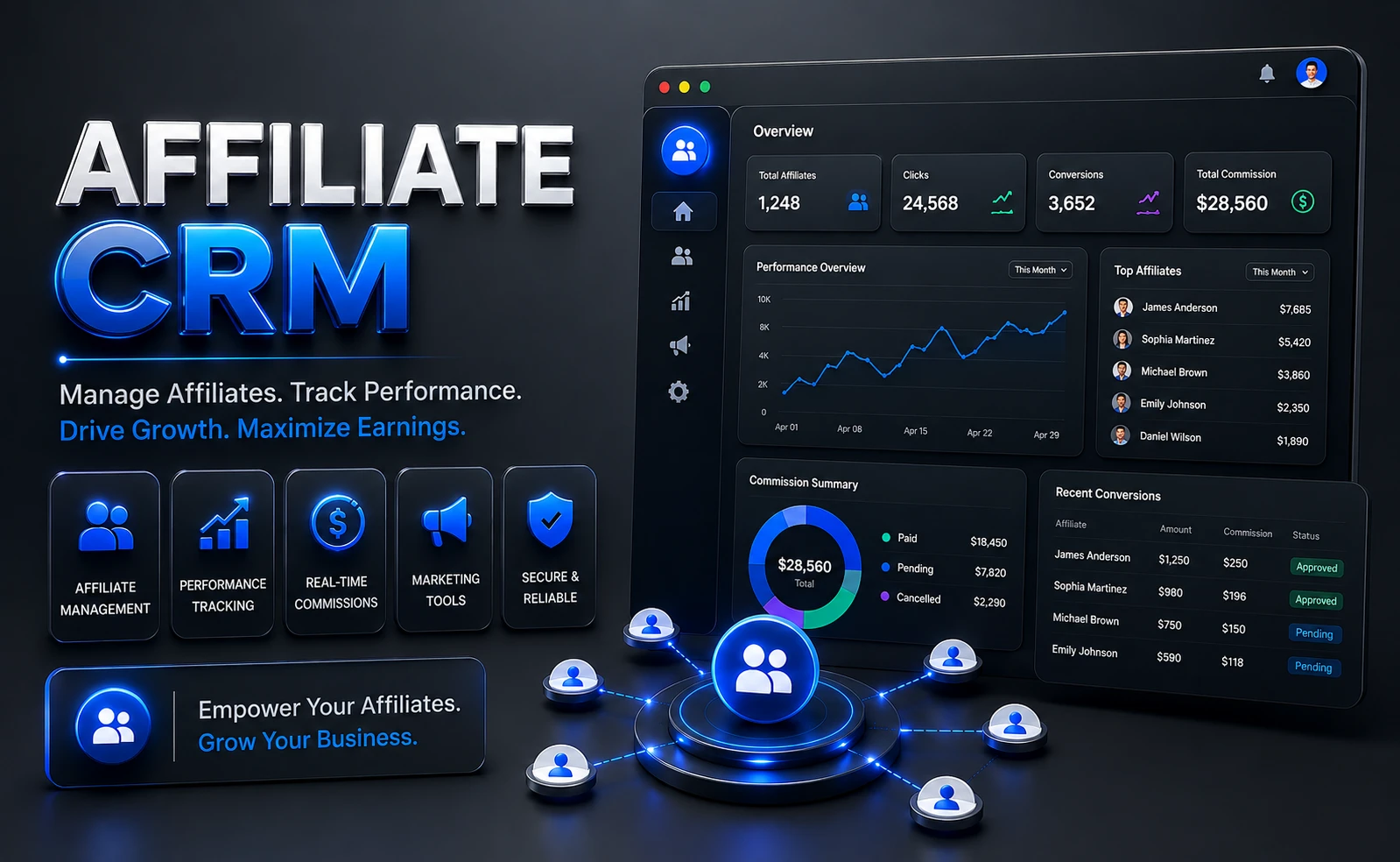
High-volume brokerages need more than a basic customer relationship management system. They need a connected operational infrastructure capable of managing leads, onboarding, KYC, trading activity, partner relationships, payments, communications, reporting, and internal workflows from a single environment. Our CRM & Technology solution provides the operational foundation that modern brokerages can build around, connecting critical business functions while maintaining visibility, automation, control, and scalability.
Designed for the demands of fast-growing brokerage businesses, the platform brings lead management, sales activity, client onboarding, document verification, account management, and compliance workflows into one streamlined environment. Real-time integration with MT4 and MT5 provides teams with a connected view of relevant client trading activity, account information, balances, and operational events.
The platform also supports multi-level IB and affiliate structures, automated commission management, multilingual and multi-currency operations, configurable workflows, role-based permissions, and automated client communication. Instead of forcing your brokerage to adapt its processes around rigid software limitations, the system can be configured around the way your organization actually operates.
Through API connectivity, the CRM can also integrate with payment providers, marketing platforms, KYC services, trading infrastructure, analytics tools, business intelligence platforms, and other third-party systems. This creates an extensible technology environment that can evolve as your brokerage expands into new markets, products, and operational requirements.
Centralized Brokerage CRM
The platform provides a centralized environment for managing the complete client lifecycle.
From the first lead interaction through registration, KYC verification, account activation, trading activity, communication, and ongoing relationship management, teams can work from a connected client profile rather than disconnected systems.
Lead Management
Capture, organize, assign, and monitor leads from multiple acquisition channels.
Sales teams can track lead status, source, campaign attribution, assigned representatives, follow-up activity, and conversion progress from one centralized interface.
Lead Capture and Attribution
Leads can be captured from websites, landing pages, advertising campaigns, affiliate programs, IB referrals, forms, APIs, and other configured sources.
Attribution information can help teams understand where prospects originated and which acquisition channels are generating meaningful opportunities.
Lead Scoring
Not every lead has the same level of potential.
Configurable lead-scoring rules can prioritize prospects based on selected attributes, engagement, account status, geographic market, source, activity, or other business-defined criteria.
Automated Lead Assignment
New leads can be automatically assigned to appropriate sales representatives according to configurable rules.
Assignment can be based on geography, language, lead source, account type, workload, or other operational requirements.
Sales Pipeline Management
The CRM provides structured visibility into the brokerage sales funnel.
Teams can monitor leads as they move through stages such as new inquiry, contacted, qualified, registered, KYC pending, KYC approved, account activated, and other configured stages.
Client Onboarding
Once a prospect decides to become a client, the CRM can transition them into a structured onboarding workflow.
Registration, document collection, verification, account setup, communication, and activation can be connected into one process.
Digital Registration
Online registration forms can collect the information required to create a client profile.
Form fields, validation rules, required information, and onboarding steps can be configured around the brokerage's operational requirements.
KYC Integration
The CRM can connect with KYC and identity-verification systems to support customer verification.
Document checks, identity verification, screening results, verification status, and manual review workflows can be incorporated into the broader client lifecycle.
Document Management
Client documents can be organized within centralized customer profiles.
Authorized users can monitor submitted documents, verification status, missing information, expiry dates, and review history.
Document Verification
Verification workflows can identify incomplete or inconsistent information and route cases requiring additional review to the appropriate team.
This helps reduce unnecessary manual follow-up during onboarding.
Document Expiry Tracking
Important customer documents can be monitored for expiration.
Automated reminders and workflow triggers can help teams identify clients requiring updated documentation.
Compliance Workflows
Compliance processes can be incorporated directly into the CRM rather than being managed through disconnected systems.
Verification requirements, review steps, approval statuses, alerts, and audit records can be connected to the client lifecycle.
Real-Time MT4 Integration
The CRM can integrate with MT4 infrastructure to synchronize relevant account and trading information.
This gives authorized brokerage teams a connected view of client activity without requiring constant manual reconciliation between separate systems.
Real-Time MT5 Integration
MT5 integration provides similar connectivity for brokerages operating on MetaTrader 5.
Relevant account information, balances, trading activity, and other supported data can be synchronized with the CRM and associated operational systems.
Trading Account Provisioning
New trading accounts can be provisioned through automated workflows where the required trading-platform integration supports it.
This helps connect the customer onboarding journey with account creation and activation.
Account Management
Brokerage teams can manage relevant trading account information from within the CRM.
Account status, account type, platform assignment, leverage settings, group information, and other supported attributes can be managed according to configured permissions.
Trading Activity Visibility
Authorized teams can view relevant trading activity associated with customer accounts.
This can include positions, orders, trading history, volume, balances, equity, and other supported trading data.
Client Trading Profile
The CRM can provide a consolidated view of a client's relationship with the brokerage.
Sales, onboarding, KYC, trading account, communication, referral, and other relevant information can be brought together within a centralized customer profile.
Multi-Account Client Management
Clients may maintain multiple trading accounts or account types.
The platform can associate multiple accounts with a single customer profile, making it easier for authorized teams to understand the broader client relationship.
IB Management
The platform supports Introducing Broker management as part of the wider brokerage ecosystem.
Brokerages can manage IB profiles, referrals, commission structures, performance, hierarchy relationships, and partner activity from the same environment.
Multi-Tier IB Hierarchies
Complex IB structures can be configured to support master IBs, sub-IBs, and multiple referral levels.
This allows brokerages to manage sophisticated partner networks without relying on disconnected spreadsheets.
Affiliate Management
Affiliate relationships can also be incorporated into the CRM.
The platform can track referral sources, conversions, partner performance, commission structures, and payout information across the affiliate network.
Multi-Tier Affiliate Tracking
Businesses operating multi-level affiliate programs can create structured relationships between affiliates and sub-affiliates.
Commission calculations can then follow the configured hierarchy and compensation rules.
Automated Commission Management
Commission calculations can be automated based on approved trading, referral, revenue, or conversion activity.
This reduces manual calculations and provides greater consistency across large partner networks.
Flexible Commission Models
The platform can support different compensation models according to business requirements.
Commission structures can be configured around per-lot activity, CPA, revenue share, spread-based models, fixed amounts, hybrid structures, or other supported rules.
Partner Performance Monitoring
Management teams can compare IB and affiliate performance across relevant metrics.
This can include referred clients, active accounts, trading volume, conversions, generated revenue, commissions, and other selected KPIs.
Automated Client Communication
The CRM can automate communication throughout the customer lifecycle.
Emails, notifications, reminders, onboarding messages, verification updates, account notifications, and other communications can be triggered by defined events.
Personalized Communication
Customer communications can be personalized using relevant CRM information.
This allows businesses to deliver more contextually appropriate messages rather than relying entirely on generic communication.
Automated Follow-Ups
Sales and customer-management teams can configure follow-up workflows for important stages of the customer journey.
This can help reduce missed opportunities and ensure prospects receive timely communication.
Multi-Language Support
International brokerages need to communicate with clients across different markets.
The platform can support multiple languages across relevant interfaces, communications, workflows, and customer-facing experiences.
Multi-Currency Operations
The CRM can support multi-currency brokerage operations.
Client information, transactions, account data, commissions, reporting, and other relevant financial information can be managed according to configured currency requirements.
Configurable Workflows
Every brokerage operates differently.
The platform allows workflows to be configured around your organization's processes, approval requirements, account structures, client journeys, and internal responsibilities.
Workflow Automation
Repetitive operational tasks can be automated through event-based workflows.
For example, a completed registration can trigger onboarding tasks, a KYC approval can trigger account activation, or a trading event can update relevant CRM information.
Approval Workflows
Sensitive operations can be routed through structured approval processes.
This can include account approvals, KYC decisions, withdrawals, commission adjustments, client status changes, and other business-defined actions.
Role-Based Permissions
Not every employee should have access to every part of the brokerage operation.
Role-based access control allows permissions to be defined according to responsibilities, departments, seniority, and operational requirements.
Department-Level Access
Sales, compliance, finance, customer support, management, and other teams can receive access to the information and functions relevant to their roles.
This helps maintain operational separation while allowing authorized teams to work from a shared platform.
Secure Client Data Management
Customer information can be protected through controlled access, authentication, permissions, and appropriate security practices.
The system can help ensure that sensitive information is only accessible to authorized users.
Payment Provider Integration
The CRM can connect with payment providers through APIs and supported integrations.
This allows payment events and relevant transaction information to become part of the broader client and operational workflow.
Deposit Tracking
Where integrated with the payment and account infrastructure, deposit events can be synchronized with customer records.
This provides sales and operational teams with better visibility into funding activity.
Withdrawal Workflow Integration
Withdrawal requests can be connected to approval and operational workflows.
Relevant status changes can be reflected in customer records and communication processes.
Marketing Platform Integration
The CRM can connect with marketing tools to create a more complete acquisition and customer-management environment.
Lead sources, campaigns, customer segments, and engagement information can be synchronized where supported.
Campaign Tracking
Marketing campaigns can be connected with lead and customer records.
This enables management to understand which campaigns generate registrations, qualified leads, funded accounts, or other business outcomes.
API Connectivity
APIs provide the flexibility required to connect the CRM with an expanding technology ecosystem.
The platform can integrate with trading platforms, payment providers, KYC services, marketing systems, communication tools, analytics platforms, BI solutions, and other third-party applications.
Third-Party Technology Integration
Rather than operating as an isolated CRM, the platform can become part of the brokerage's wider technology infrastructure.
This creates a connected operational environment where systems can exchange relevant information automatically.
Business Intelligence Integration
Data can be connected with BI and analytics platforms where required.
This enables management teams to build deeper reporting around acquisition, onboarding, trading activity, customer performance, partner contribution, and operational KPIs.
Centralized Reporting
Management can access reports covering different areas of the brokerage operation.
Reports can include lead performance, onboarding progress, KYC status, trading activity, IB performance, affiliate results, commissions, customer activity, and other configurable metrics.
Real-Time Dashboards
Real-time dashboards provide management with a current view of important operational information.
Key metrics can be presented through charts, tables, KPIs, filters, and drill-down views.
Customer Lifecycle Analytics
The CRM can track customer progression through different stages of the relationship.
This allows management to identify bottlenecks between lead generation, registration, verification, funding, account activation, and ongoing activity.
Conversion Analytics
Teams can evaluate how effectively leads move through the sales funnel.
Conversion reporting can help identify high-performing acquisition sources and stages where prospects are most frequently lost.
Client Segmentation
Customers can be segmented according to configurable criteria.
Segments can support targeted communication, sales workflows, reporting, account management, marketing campaigns, or other business processes.
Automated Alerts
The platform can generate alerts when predefined events or thresholds occur.
Examples can include high-priority leads, KYC issues, document expiry, unusual client activity, account events, or operational exceptions.
Task Management
Teams can create and manage tasks associated with leads, clients, partners, compliance cases, or other operational activities.
Task ownership and status tracking can provide greater accountability across departments.
Internal Notes and Activity History
Authorized staff can maintain internal notes and review relevant client activity history.
This helps teams understand previous interactions without relying on separate communication channels.
Complete Client Timeline
The CRM can provide a chronological view of relevant customer interactions and operational events.
This creates a more complete picture of the relationship and helps teams deliver more informed service.
Audit Trails
Important system and administrative actions can be logged for accountability.
Audit records can include changes to client information, workflow decisions, permissions, commission adjustments, verification actions, and other selected events.
Compliance Reporting
The platform can support compliance teams with centralized reporting and historical records.
Verification status, document history, approval decisions, and other relevant information can be made available according to configured permissions.
Operational Monitoring
Management teams can monitor workflow performance across departments.
This can help identify onboarding delays, KYC bottlenecks, lead-response issues, inactive accounts, or other operational challenges.
Automated Reconciliation
Connected systems can exchange data to reduce manual reconciliation.
Trading accounts, customer records, payment events, commissions, and other operational information can be compared and synchronized according to the integration architecture.
Data Validation
Data validation rules can help maintain consistency across connected systems.
The CRM can identify missing, invalid, duplicated, or inconsistent information before it creates larger operational problems.
Duplicate Client Detection
The platform can help identify potential duplicate customer records.
This supports cleaner CRM data and reduces the risk of fragmented customer profiles.
Automated Account Status Management
Account statuses can be updated according to configured business events.
This can help ensure that CRM records remain aligned with relevant onboarding, verification, trading, or operational states.
Customer Support Integration
The CRM can connect with support tools and communication channels.
Support teams can access relevant customer information while maintaining appropriate permission controls.
Email and Notification Integration
Automated communication can be connected to email, SMS, push notifications, messaging platforms, or other supported channels.
This creates a consistent communication layer across the customer journey.
Mobile-Responsive Administration
The platform can be designed to provide access across different screen sizes.
This allows authorized teams to monitor important information and complete relevant tasks from modern desktop, tablet, or mobile environments where supported.
Scalable Architecture
Brokerage technology needs to handle increasing numbers of customers, trading accounts, leads, partners, transactions, and operational events.
The CRM can be architected with scalability in mind so that the technology foundation can evolve alongside the brokerage.
Multi-Region Brokerage Operations
Businesses operating across multiple markets can manage different regions, teams, languages, currencies, account groups, and operational workflows within a centralized environment.
This provides greater consistency while allowing regional requirements to be incorporated into the system.
Custom Business Rules
No two brokerages operate exactly the same way.
Custom business rules can be incorporated into workflows, lead assignment, account management, commission structures, client segmentation, approvals, and other operational areas.
Technology That Adapts to Your Brokerage
Instead of forcing your business into a rigid workflow, the platform can be configured around your existing processes and future requirements.
This flexibility is particularly valuable for brokerages that operate multiple brands, regions, account types, partner programs, or customer journeys.
Reduce Operational Complexity
Disconnected systems often create duplicated data, manual reconciliation, delayed updates, and communication gaps.
Connecting CRM, trading, KYC, payment, partner, and communication systems helps create a more unified operational environment.
Improve Team Productivity
Automation allows employees to spend less time moving information between systems.
Sales teams can focus on prospects, compliance teams can focus on verification, finance teams can focus on financial operations, and management can focus on performance and growth.
Build a Connected Brokerage Ecosystem
The CRM can serve as the central operational layer connecting the systems that power your brokerage.
From marketing and lead acquisition to KYC, trading, payments, partner management, communication, and analytics, critical workflows can operate as part of one connected technology ecosystem.
Built for Serious Brokerage Growth
A growing brokerage needs infrastructure that can expand without constantly replacing core systems.
Our CRM & Technology solution is designed to provide a scalable foundation for brokerages managing increasing customer volumes, complex partner structures, multiple markets, and interconnected financial technology.
Build the Operational Core of Your Brokerage
Your CRM should be more than a database of customer information. It should connect the people, processes, and technology that keep your brokerage operating every day.
Our CRM & Technology solution brings lead management, onboarding, KYC, MT4 and MT5 integration, IB and affiliate management, commission tracking, automated communication, payment connectivity, reporting, permissions, and API integrations into a unified operational environment.
Connect your brokerage systems. Automate critical workflows. Improve client visibility, simplify partner management, strengthen operational control, and create a scalable technology foundation designed to support real brokerage growth.
Product description
Learn more about product features and benefits
CRM & Technology
High-volume brokerages need more than a basic customer relationship management system. They need a connected operational infrastructure capable of managing leads, onboarding, KYC, trading activity, partner relationships, payments, communications, reporting, and internal workflows from a single environment. Our CRM & Technology solution provides the operational foundation that modern brokerages can build around, connecting critical business functions while maintaining visibility, automation, control, and scalability.
Designed for the demands of fast-growing brokerage businesses, the platform brings lead management, sales activity, client onboarding, document verification, account management, and compliance workflows into one streamlined environment. Real-time integration with MT4 and MT5 provides teams with a connected view of relevant client trading activity, account information, balances, and operational events.
The platform also supports multi-level IB and affiliate structures, automated commission management, multilingual and multi-currency operations, configurable workflows, role-based permissions, and automated client communication. Instead of forcing your brokerage to adapt its processes around rigid software limitations, the system can be configured around the way your organization actually operates.
Through API connectivity, the CRM can also integrate with payment providers, marketing platforms, KYC services, trading infrastructure, analytics tools, business intelligence platforms, and other third-party systems. This creates an extensible technology environment that can evolve as your brokerage expands into new markets, products, and operational requirements.
Centralized Brokerage CRM
The platform provides a centralized environment for managing the complete client lifecycle.
From the first lead interaction through registration, KYC verification, account activation, trading activity, communication, and ongoing relationship management, teams can work from a connected client profile rather than disconnected systems.
Lead Management
Capture, organize, assign, and monitor leads from multiple acquisition channels.
Sales teams can track lead status, source, campaign attribution, assigned representatives, follow-up activity, and conversion progress from one centralized interface.
Lead Capture and Attribution
Leads can be captured from websites, landing pages, advertising campaigns, affiliate programs, IB referrals, forms, APIs, and other configured sources.
Attribution information can help teams understand where prospects originated and which acquisition channels are generating meaningful opportunities.
Lead Scoring
Not every lead has the same level of potential.
Configurable lead-scoring rules can prioritize prospects based on selected attributes, engagement, account status, geographic market, source, activity, or other business-defined criteria.
Automated Lead Assignment
New leads can be automatically assigned to appropriate sales representatives according to configurable rules.
Assignment can be based on geography, language, lead source, account type, workload, or other operational requirements.
Sales Pipeline Management
The CRM provides structured visibility into the brokerage sales funnel.
Teams can monitor leads as they move through stages such as new inquiry, contacted, qualified, registered, KYC pending, KYC approved, account activated, and other configured stages.
Client Onboarding
Once a prospect decides to become a client, the CRM can transition them into a structured onboarding workflow.
Registration, document collection, verification, account setup, communication, and activation can be connected into one process.
Digital Registration
Online registration forms can collect the information required to create a client profile.
Form fields, validation rules, required information, and onboarding steps can be configured around the brokerage's operational requirements.
KYC Integration
The CRM can connect with KYC and identity-verification systems to support customer verification.
Document checks, identity verification, screening results, verification status, and manual review workflows can be incorporated into the broader client lifecycle.
Document Management
Client documents can be organized within centralized customer profiles.
Authorized users can monitor submitted documents, verification status, missing information, expiry dates, and review history.
Document Verification
Verification workflows can identify incomplete or inconsistent information and route cases requiring additional review to the appropriate team.
This helps reduce unnecessary manual follow-up during onboarding.
Document Expiry Tracking
Important customer documents can be monitored for expiration.
Automated reminders and workflow triggers can help teams identify clients requiring updated documentation.
Compliance Workflows
Compliance processes can be incorporated directly into the CRM rather than being managed through disconnected systems.
Verification requirements, review steps, approval statuses, alerts, and audit records can be connected to the client lifecycle.
Real-Time MT4 Integration
The CRM can integrate with MT4 infrastructure to synchronize relevant account and trading information.
This gives authorized brokerage teams a connected view of client activity without requiring constant manual reconciliation between separate systems.
Real-Time MT5 Integration
MT5 integration provides similar connectivity for brokerages operating on MetaTrader 5.
Relevant account information, balances, trading activity, and other supported data can be synchronized with the CRM and associated operational systems.
Trading Account Provisioning
New trading accounts can be provisioned through automated workflows where the required trading-platform integration supports it.
This helps connect the customer onboarding journey with account creation and activation.
Account Management
Brokerage teams can manage relevant trading account information from within the CRM.
Account status, account type, platform assignment, leverage settings, group information, and other supported attributes can be managed according to configured permissions.
Trading Activity Visibility
Authorized teams can view relevant trading activity associated with customer accounts.
This can include positions, orders, trading history, volume, balances, equity, and other supported trading data.
Client Trading Profile
The CRM can provide a consolidated view of a client's relationship with the brokerage.
Sales, onboarding, KYC, trading account, communication, referral, and other relevant information can be brought together within a centralized customer profile.
Multi-Account Client Management
Clients may maintain multiple trading accounts or account types.
The platform can associate multiple accounts with a single customer profile, making it easier for authorized teams to understand the broader client relationship.
IB Management
The platform supports Introducing Broker management as part of the wider brokerage ecosystem.
Brokerages can manage IB profiles, referrals, commission structures, performance, hierarchy relationships, and partner activity from the same environment.
Multi-Tier IB Hierarchies
Complex IB structures can be configured to support master IBs, sub-IBs, and multiple referral levels.
This allows brokerages to manage sophisticated partner networks without relying on disconnected spreadsheets.
Affiliate Management
Affiliate relationships can also be incorporated into the CRM.
The platform can track referral sources, conversions, partner performance, commission structures, and payout information across the affiliate network.
Multi-Tier Affiliate Tracking
Businesses operating multi-level affiliate programs can create structured relationships between affiliates and sub-affiliates.
Commission calculations can then follow the configured hierarchy and compensation rules.
Automated Commission Management
Commission calculations can be automated based on approved trading, referral, revenue, or conversion activity.
This reduces manual calculations and provides greater consistency across large partner networks.
Flexible Commission Models
The platform can support different compensation models according to business requirements.
Commission structures can be configured around per-lot activity, CPA, revenue share, spread-based models, fixed amounts, hybrid structures, or other supported rules.
Partner Performance Monitoring
Management teams can compare IB and affiliate performance across relevant metrics.
This can include referred clients, active accounts, trading volume, conversions, generated revenue, commissions, and other selected KPIs.
Automated Client Communication
The CRM can automate communication throughout the customer lifecycle.
Emails, notifications, reminders, onboarding messages, verification updates, account notifications, and other communications can be triggered by defined events.
Personalized Communication
Customer communications can be personalized using relevant CRM information.
This allows businesses to deliver more contextually appropriate messages rather than relying entirely on generic communication.
Automated Follow-Ups
Sales and customer-management teams can configure follow-up workflows for important stages of the customer journey.
This can help reduce missed opportunities and ensure prospects receive timely communication.
Multi-Language Support
International brokerages need to communicate with clients across different markets.
The platform can support multiple languages across relevant interfaces, communications, workflows, and customer-facing experiences.
Multi-Currency Operations
The CRM can support multi-currency brokerage operations.
Client information, transactions, account data, commissions, reporting, and other relevant financial information can be managed according to configured currency requirements.
Configurable Workflows
Every brokerage operates differently.
The platform allows workflows to be configured around your organization's processes, approval requirements, account structures, client journeys, and internal responsibilities.
Workflow Automation
Repetitive operational tasks can be automated through event-based workflows.
For example, a completed registration can trigger onboarding tasks, a KYC approval can trigger account activation, or a trading event can update relevant CRM information.
Approval Workflows
Sensitive operations can be routed through structured approval processes.
This can include account approvals, KYC decisions, withdrawals, commission adjustments, client status changes, and other business-defined actions.
Role-Based Permissions
Not every employee should have access to every part of the brokerage operation.
Role-based access control allows permissions to be defined according to responsibilities, departments, seniority, and operational requirements.
Department-Level Access
Sales, compliance, finance, customer support, management, and other teams can receive access to the information and functions relevant to their roles.
This helps maintain operational separation while allowing authorized teams to work from a shared platform.
Secure Client Data Management
Customer information can be protected through controlled access, authentication, permissions, and appropriate security practices.
The system can help ensure that sensitive information is only accessible to authorized users.
Payment Provider Integration
The CRM can connect with payment providers through APIs and supported integrations.
This allows payment events and relevant transaction information to become part of the broader client and operational workflow.
Deposit Tracking
Where integrated with the payment and account infrastructure, deposit events can be synchronized with customer records.
This provides sales and operational teams with better visibility into funding activity.
Withdrawal Workflow Integration
Withdrawal requests can be connected to approval and operational workflows.
Relevant status changes can be reflected in customer records and communication processes.
Marketing Platform Integration
The CRM can connect with marketing tools to create a more complete acquisition and customer-management environment.
Lead sources, campaigns, customer segments, and engagement information can be synchronized where supported.
Campaign Tracking
Marketing campaigns can be connected with lead and customer records.
This enables management to understand which campaigns generate registrations, qualified leads, funded accounts, or other business outcomes.
API Connectivity
APIs provide the flexibility required to connect the CRM with an expanding technology ecosystem.
The platform can integrate with trading platforms, payment providers, KYC services, marketing systems, communication tools, analytics platforms, BI solutions, and other third-party applications.
Third-Party Technology Integration
Rather than operating as an isolated CRM, the platform can become part of the brokerage's wider technology infrastructure.
This creates a connected operational environment where systems can exchange relevant information automatically.
Business Intelligence Integration
Data can be connected with BI and analytics platforms where required.
This enables management teams to build deeper reporting around acquisition, onboarding, trading activity, customer performance, partner contribution, and operational KPIs.
Centralized Reporting
Management can access reports covering different areas of the brokerage operation.
Reports can include lead performance, onboarding progress, KYC status, trading activity, IB performance, affiliate results, commissions, customer activity, and other configurable metrics.
Real-Time Dashboards
Real-time dashboards provide management with a current view of important operational information.
Key metrics can be presented through charts, tables, KPIs, filters, and drill-down views.
Customer Lifecycle Analytics
The CRM can track customer progression through different stages of the relationship.
This allows management to identify bottlenecks between lead generation, registration, verification, funding, account activation, and ongoing activity.
Conversion Analytics
Teams can evaluate how effectively leads move through the sales funnel.
Conversion reporting can help identify high-performing acquisition sources and stages where prospects are most frequently lost.
Client Segmentation
Customers can be segmented according to configurable criteria.
Segments can support targeted communication, sales workflows, reporting, account management, marketing campaigns, or other business processes.
Automated Alerts
The platform can generate alerts when predefined events or thresholds occur.
Examples can include high-priority leads, KYC issues, document expiry, unusual client activity, account events, or operational exceptions.
Task Management
Teams can create and manage tasks associated with leads, clients, partners, compliance cases, or other operational activities.
Task ownership and status tracking can provide greater accountability across departments.
Internal Notes and Activity History
Authorized staff can maintain internal notes and review relevant client activity history.
This helps teams understand previous interactions without relying on separate communication channels.
Complete Client Timeline
The CRM can provide a chronological view of relevant customer interactions and operational events.
This creates a more complete picture of the relationship and helps teams deliver more informed service.
Audit Trails
Important system and administrative actions can be logged for accountability.
Audit records can include changes to client information, workflow decisions, permissions, commission adjustments, verification actions, and other selected events.
Compliance Reporting
The platform can support compliance teams with centralized reporting and historical records.
Verification status, document history, approval decisions, and other relevant information can be made available according to configured permissions.
Operational Monitoring
Management teams can monitor workflow performance across departments.
This can help identify onboarding delays, KYC bottlenecks, lead-response issues, inactive accounts, or other operational challenges.
Automated Reconciliation
Connected systems can exchange data to reduce manual reconciliation.
Trading accounts, customer records, payment events, commissions, and other operational information can be compared and synchronized according to the integration architecture.
Data Validation
Data validation rules can help maintain consistency across connected systems.
The CRM can identify missing, invalid, duplicated, or inconsistent information before it creates larger operational problems.
Duplicate Client Detection
The platform can help identify potential duplicate customer records.
This supports cleaner CRM data and reduces the risk of fragmented customer profiles.
Automated Account Status Management
Account statuses can be updated according to configured business events.
This can help ensure that CRM records remain aligned with relevant onboarding, verification, trading, or operational states.
Customer Support Integration
The CRM can connect with support tools and communication channels.
Support teams can access relevant customer information while maintaining appropriate permission controls.
Email and Notification Integration
Automated communication can be connected to email, SMS, push notifications, messaging platforms, or other supported channels.
This creates a consistent communication layer across the customer journey.
Mobile-Responsive Administration
The platform can be designed to provide access across different screen sizes.
This allows authorized teams to monitor important information and complete relevant tasks from modern desktop, tablet, or mobile environments where supported.
Scalable Architecture
Brokerage technology needs to handle increasing numbers of customers, trading accounts, leads, partners, transactions, and operational events.
The CRM can be architected with scalability in mind so that the technology foundation can evolve alongside the brokerage.
Multi-Region Brokerage Operations
Businesses operating across multiple markets can manage different regions, teams, languages, currencies, account groups, and operational workflows within a centralized environment.
This provides greater consistency while allowing regional requirements to be incorporated into the system.
Custom Business Rules
No two brokerages operate exactly the same way.
Custom business rules can be incorporated into workflows, lead assignment, account management, commission structures, client segmentation, approvals, and other operational areas.
Technology That Adapts to Your Brokerage
Instead of forcing your business into a rigid workflow, the platform can be configured around your existing processes and future requirements.
This flexibility is particularly valuable for brokerages that operate multiple brands, regions, account types, partner programs, or customer journeys.
Reduce Operational Complexity
Disconnected systems often create duplicated data, manual reconciliation, delayed updates, and communication gaps.
Connecting CRM, trading, KYC, payment, partner, and communication systems helps create a more unified operational environment.
Improve Team Productivity
Automation allows employees to spend less time moving information between systems.
Sales teams can focus on prospects, compliance teams can focus on verification, finance teams can focus on financial operations, and management can focus on performance and growth.
Build a Connected Brokerage Ecosystem
The CRM can serve as the central operational layer connecting the systems that power your brokerage.
From marketing and lead acquisition to KYC, trading, payments, partner management, communication, and analytics, critical workflows can operate as part of one connected technology ecosystem.
Built for Serious Brokerage Growth
A growing brokerage needs infrastructure that can expand without constantly replacing core systems.
Our CRM & Technology solution is designed to provide a scalable foundation for brokerages managing increasing customer volumes, complex partner structures, multiple markets, and interconnected financial technology.
Build the Operational Core of Your Brokerage
Your CRM should be more than a database of customer information. It should connect the people, processes, and technology that keep your brokerage operating every day.
Our CRM & Technology solution brings lead management, onboarding, KYC, MT4 and MT5 integration, IB and affiliate management, commission tracking, automated communication, payment connectivity, reporting, permissions, and API integrations into a unified operational environment.
Connect your brokerage systems. Automate critical workflows. Improve client visibility, simplify partner management, strengthen operational control, and create a scalable technology foundation designed to support real brokerage growth.
Product specification
Quick product information

No review given yet!